
Compare crawler vs truck mounted water well drilling rig options by route access, relocation frequency, transport loads and the deployed working layout; include trailer-mounted rigs in the same review. Compare actual machine configurations. The chassis does not by itself determine drilling capacity, site bearing requirements or the support equipment needed to operate.
Crawler vs truck mounted water well drilling rig: mounting differences
A crawler rig travels on tracks at the site and needs a plan for transport between distant locations. A truck-mounted rig combines the drilling equipment with a road vehicle. A trailer-mounted rig depends on a suitable towing vehicle and its specified coupling, braking and load limits.
Record mounting and drilling configuration separately. A change from tracks to a truck or trailer may also change the compressor, engine, mast or handling package. Identify each configuration difference before comparing the complete machines.
| Mounting | Information to obtain | Separate check |
|---|---|---|
| Crawler | Track width, machine mass, travel limits and loading arrangement. | Transport vehicle and ground bearing conditions. |
| Truck | Loaded dimensions, axle loads, turning envelope and drivetrain. | Road route and deployed support layout. |
| Trailer | Loaded mass, coupling, brakes, towing requirements and setup arrangement. | Suitability of the tow vehicle and complete vehicle combination. |
Keep the proposed drilling system constant where possible. If a mounting change also changes engine, compressor, mast or rod handling, compare those differences as equipment changes rather than attributing them to the chassis.
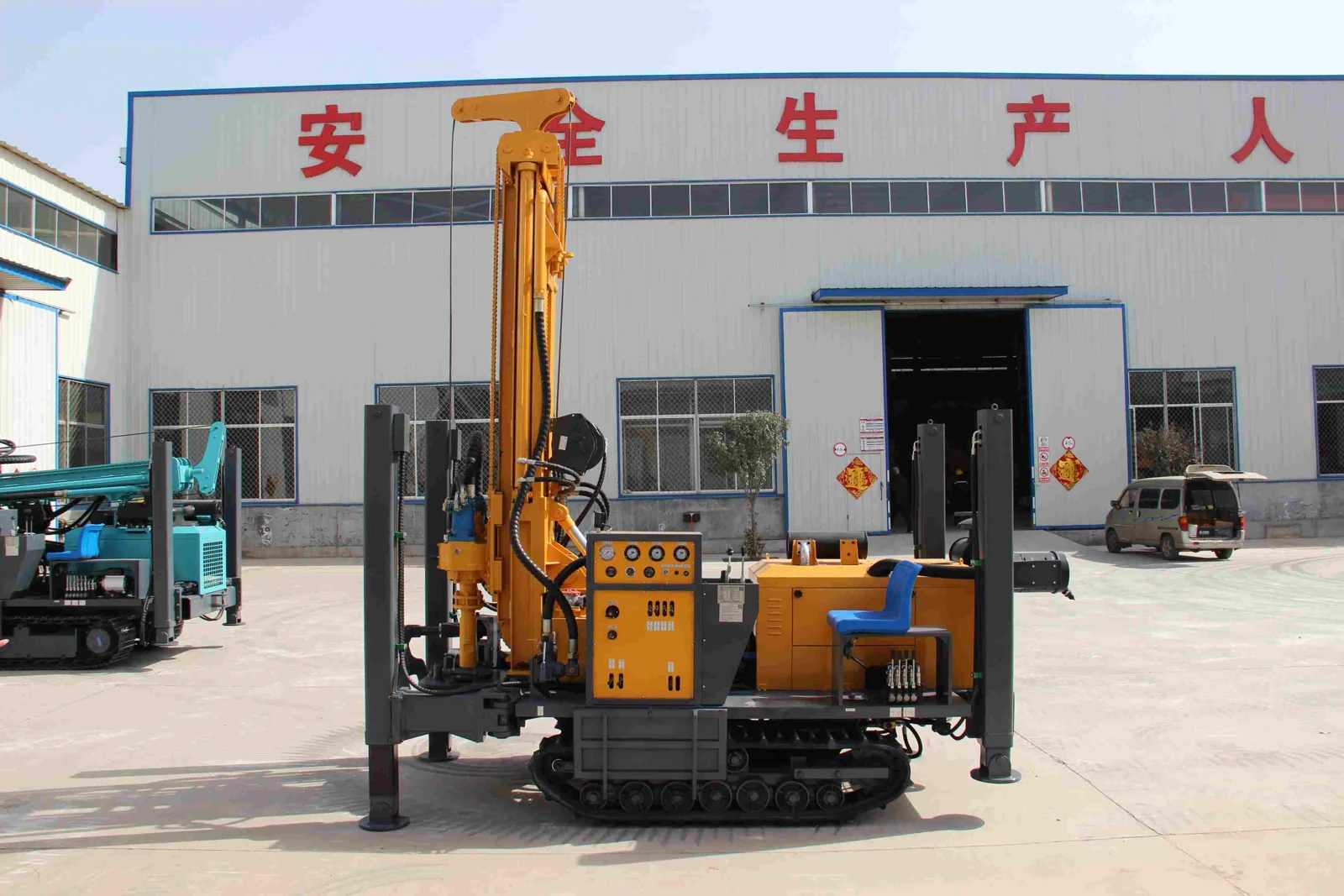
Match the transport envelope to the actual access route
The DRW200 catalogue lists dimensions of 3,950 × 1,750 × 2,250 mm and a mass of 5 t. These fields provide a model reference, not the loaded dimensions of a transporter carrying rods and other equipment. See the DRW200 dimensions and mass.
Map the route from the receiving location to each borehole. Record gates, bridges, turns, slopes, overhead restrictions and loading areas. Obtain a drawing and measured shipping weights for the selected configuration, including any components removed for transport.
- Access evidence: attach site photographs and the pad layout, and identify known seasonal access constraints.
- Existing transport: list available trucks, trailers and towing vehicles with their documented specifications, rather than assuming they can carry or tow the proposed load.
Have the transport provider check the whole load and any local route permissions. For trailer and truck options, verify the actual loaded vehicle configuration; do not infer legal road access from a product photograph.
Use travel speed only for the movement it describes
The DRW200 product page lists a travel speed of 2.5 km/h. That is a machine travel specification, not a road-transport speed or a guaranteed site-to-site relocation rate. Check the DRW200 travel specification.
For each planned move, estimate the activities separately: make the rig ready, handle the tools, load or tow the equipment, travel, unload and set up at the new hole. Ground conditions and the approved operating procedure govern what the machine can do at the site.
Compare the whole relocation sequence against your pattern of work. A program with nearby holes raises different transport questions from scattered sites reached by public roads. Ask the contractor to confirm the assumptions behind any daily relocation estimate.
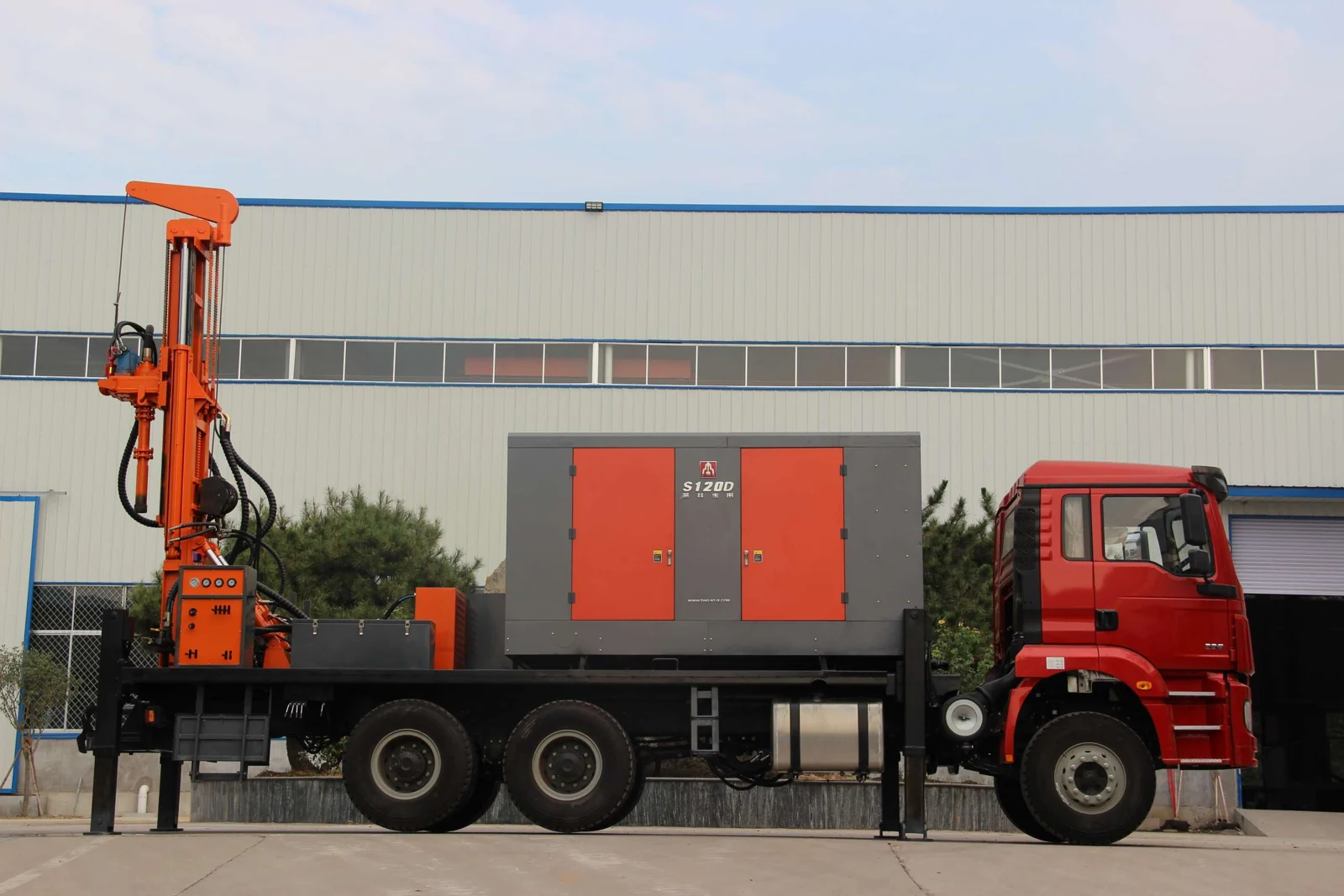
Count support equipment in the transport plan
A rig photograph does not show the complete mobilization load. Include the compressor or mud system, rods, casing, tools, water, fuel, spares and handling equipment, with each item assigned to a vehicle or trailer.
Use the compressor’s actual mounting arrangement, packed dimensions and gross mass in the load plan. A support-mounted, wheeled or integrated unit can create different transport requirements; do not transfer a weight from another configuration.
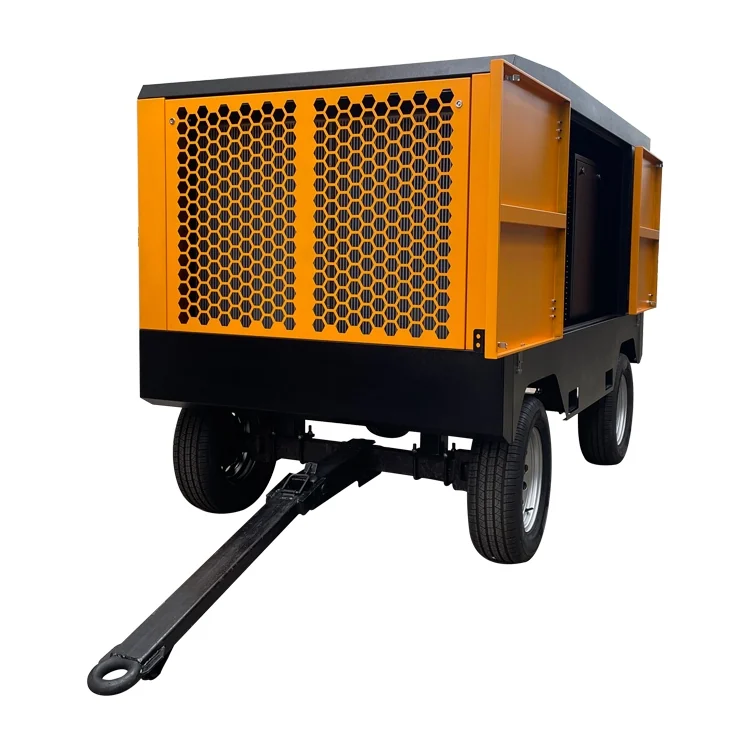
Request a load list with actual packed dimensions and gross mass. Check how equipment is unloaded and where it sits during drilling. Compare the number of loads and the loading sequence, not only the number of powered vehicles.
Confirm the deployed working layout before choosing the chassis
The DRW200 lists a 3.3 m feed stroke. Feed travel does not state the raised mast height, overhead clearance or full footprint with support legs deployed. Review the DRW200 feed specification.
Obtain an operating-layout drawing showing the mast, support legs, rod-handling area, compressor or pump, return-fluid equipment and access for the crew. Require a site-specific bearing and setup review. The footprint used during drilling can differ from the transport envelope.
Send the route restrictions, site dimensions and relocation pattern to request a mounting configuration for your drilling project. Include the intended drilling method and support equipment. Use the rig quotation checklist to compare the same supply scope.
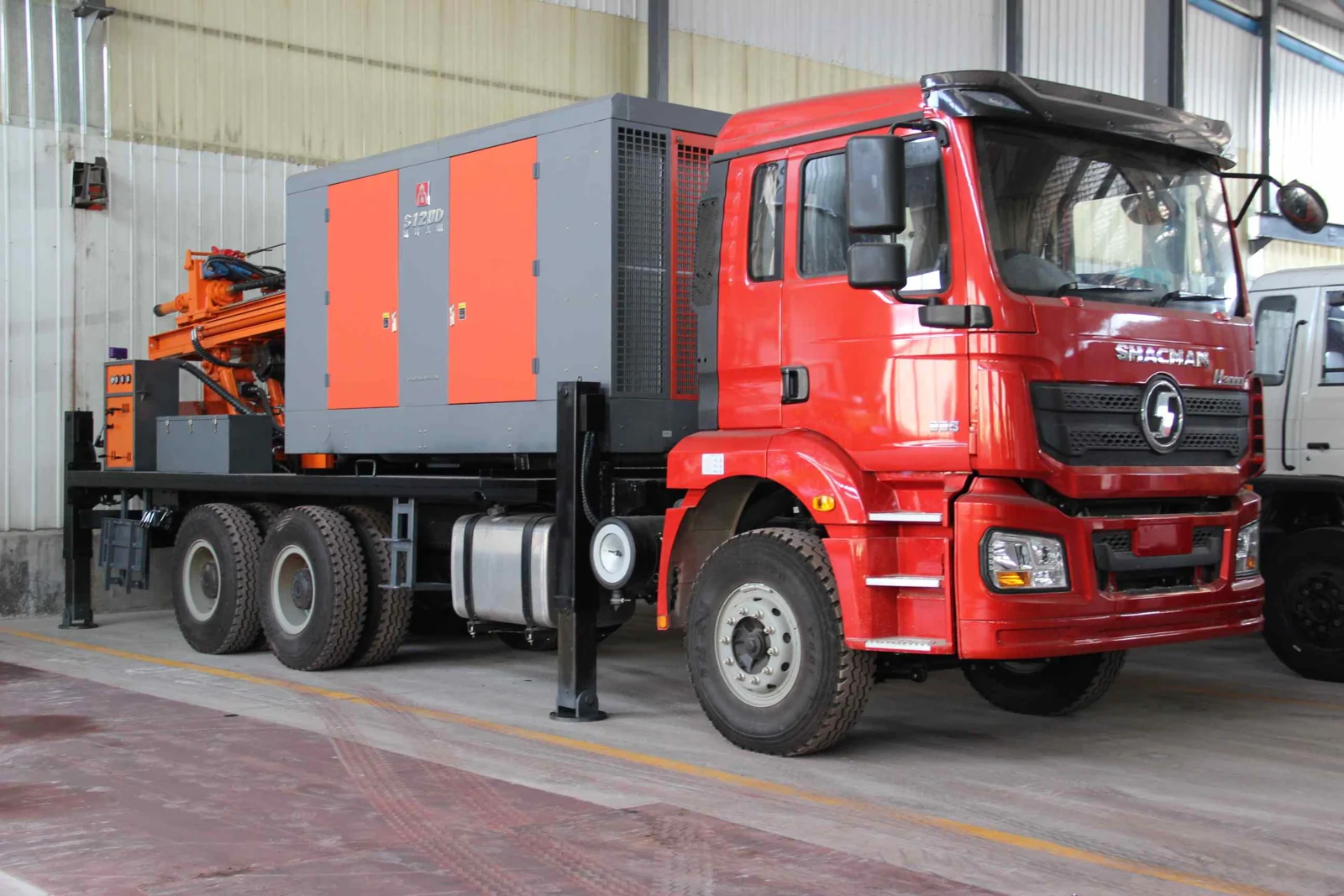
Frequently asked questions
When should I compare a crawler vs truck mounted water well drilling rig?
Compare them when site access or relocation changes the required transport package. Use actual dimensions, loaded mass, travel restrictions, ground conditions and setup drawings. Keep differences in the drilling equipment separate from differences in the chassis.
Can a crawler water well drilling rig travel between distant boreholes on public roads?
Do not assume it can. The DRW200 lists 2.5 km/h machine travel, which is not a road-transport rating. Confirm the permitted movement method with the operator, transport provider and applicable local requirements.
Does a trailer drilling rig require fewer support vehicles?
Not necessarily. Count the towing vehicle, compressor or mud equipment, rods, casing, water, fuel and handling equipment. The answer depends on their weights, dimensions and approved loading arrangements, not on the trailer label alone.
Which dimensions should I request before buying a water well rig for a restricted site?
Request both transport and operating drawings. Include loaded width, length and height, deployed support footprint, raised mast height, rod-handling clearance and the space for support equipment. Confirm actual configuration and site bearing conditions.