
A drilling rig pre-shipment inspection checklist should verify machine identity, the agreed configuration, tools and quantities, witnessed checks, documents, packing and unresolved deviations. Use the approved order and inspection plan as acceptance references. Record evidence for each item and resolve release-blocking discrepancies before shipment.
Freeze the order specification and identify the actual machine
Collect the approved quotation, order, drawings, component list, inspection plan and revisions. Record the rig serial number, engine identity and the installed options. Check that the inspected machine is the unit named in the shipment records.
The DRW200 catalogue lists several rod-length options: 1.5, 2.0 and 3.0 m. An inspection must confirm which lengths and quantities were ordered, not merely that drill rods are present. See the DRW200 rod specifications.
Create a requirement-to-evidence record. For every check, identify the acceptance reference, result, evidence file, discrepancy and responsible reviewer. A catalogue field is not a substitute for a dated order identifying the configuration being purchased.
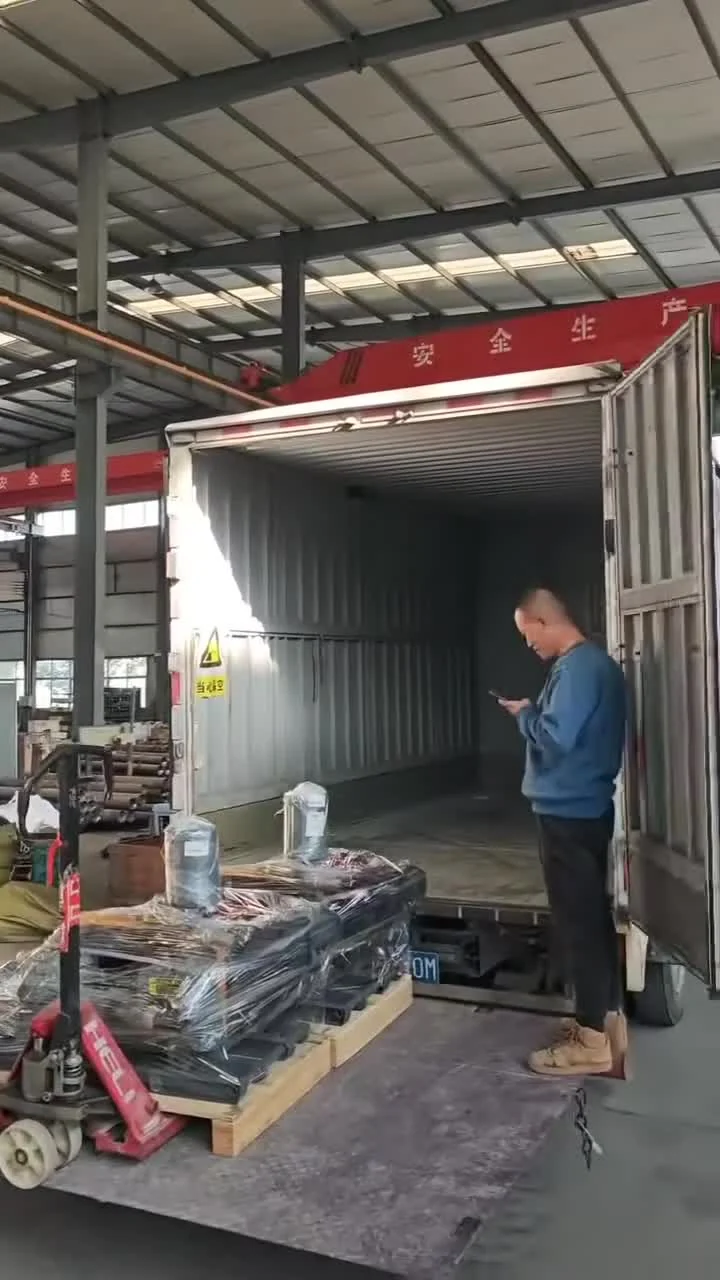
Inspect the rig, tools and documents against separate requirements
Define the agreed inspection scope explicitly: dimensional checks, documentation review, packing and marking checks, visual inspection and any required witness tests. Each activity provides different evidence and needs its own acceptance reference.
| Inspection area | What to verify | Evidence to retain |
|---|---|---|
| Machine identity | Serials, nameplates and agreed installed configuration. | Identification photos and signed configuration record. |
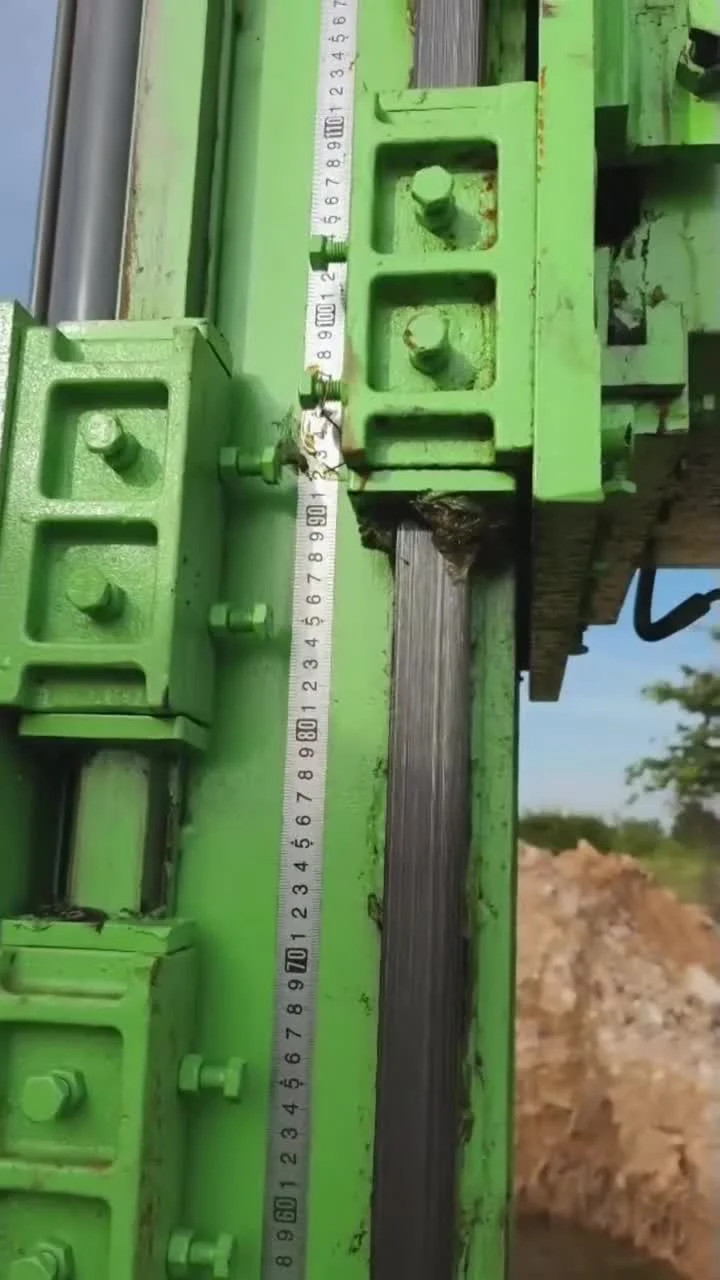
| Tools and spares | Part identity, dimensions, connections and quantities. | Count sheet, markings and measured results. |
| Interfaces | Approved rod, tool, pump or compressor connections. | Assembly records and applicable drawings. |
| Documents | Manuals, parts lists, reports and agreed certificates. | Document index with revision and machine reference. |
| Functional checks | Agreed procedures and acceptance criteria. | Recorded conditions, measurements and witness record. |
| Packing | Case contents, marks, dimensions and gross weights. | Final packing list and loading evidence. |
Use explicit inspection results rather than leaving the status blank:
- Conforms: the specified check was completed and its evidence supports the agreed requirement.
- Deviation recorded: identify the difference from the requirement and its disposition.
- Not checked: identify the unverified item and the reason, including inaccessible or deferred checks.
- Not applicable: record why the requirement does not apply to this order.
An item not observed or postponed must not be recorded as passed. Keep its evidence requirement and responsible reviewer open until it is resolved.
Use the approved procedure for any assembly or functional verification. Do not improvise load, pressure or safety-device tests. The inspection plan should identify the competent operator and witness, instruments and acceptance criteria before the test begins.
Distinguish a demonstration from a measured performance test
ISO 1217:2009 specifies displacement-compressor acceptance-test methods for volume flow and power requirements. A pressure-gauge photograph alone does not provide the evidence covered by that scope. Read the ISO 1217:2009 abstract.
If compressor performance is part of the order acceptance, agree the applicable test method, operating point, measurement conditions and supplied report. Do the same for other measured requirements using their relevant procedures. Do not label a no-load demonstration as proof of rated drilling depth, torque or site production.
Record instrument identity and the agreed calibration evidence. Distinguish results directly witnessed during inspection from manufacturer certificates or earlier test reports. Cross-reference each record to the machine or component it actually covers.

Verify packing materials, marks and the loading record
Australia’s official ISPM 15 guidance lists exemptions for packaging made entirely from wood 6 mm or thinner and packaging made wholly from qualifying processed wood, such as plywood. A crate with solid-wood framing must not be treated as wholly plywood without checking its construction. Read the government’s wood-packaging guidance.
Document-delivery checklist
- Identity and revision: record each required manual, parts list, report or certificate and the equipment it covers.
- Language and format: specify the agreed language and delivery format rather than relying on the document title alone.
- Delivery status: mark delivered or outstanding items and identify who must supply them.
- Destination documents: verify the document’s identity, issuing body, scope and relationship to the supplied equipment through the responsible review.
For the actual destination, have the shipper and importer confirm applicable packaging, treatment and marking requirements. The IPPC implementation resources explain ISPM 15 treatment, marking and inspection. Packaging compliance does not establish machinery conformity or transit damage protection.
Reconcile the final packing list with the inspected supply. Record case identifiers, contents, packed dimensions, gross weights, protected openings and any removed components. Photograph the final loading and securing arrangement and retain the relevant transport-provider records.
Close discrepancies and separate inspection from shipment release
Check case counts against the contractual specifications and record the agreed loading observations. These checks are distinct from the buyer’s contractual decision to authorize shipment.
List each discrepancy against the order requirement. Record the correction, replacement or proposed concession, the supporting evidence and the person authorized to decide. Recheck the affected item after correction and update both the inspection record and packing documents when the change affects them.
Keep any unresolved release condition visible. A signed visit report, a shipping booking or a supplier’s readiness notice should not silently replace the agreed release process. Preserve the final record set with the order revision and machine identity.
Include the required checks when you request a drilling rig quotation and inspection scope. Use the equipment quote checklist to define the supply boundary before production and dispatch.
Frequently asked questions
What documents should accompany a drilling rig pre shipment inspection checklist?
Use the approved order, drawings, equipment list and inspection plan as references. Retain machine identification, measured results, witness records, discrepancy closure, manuals, parts lists and the final packing list. Identify document revisions and the unit each record covers.
Can a factory video prove the rig will reach its advertised drilling depth?
No. A video shows only the activities and conditions visible in that recording. Depth capability depends on the specified string, hole and operating conditions. Ask for the agreed test evidence and capacity basis rather than treating an unloaded demonstration as proof.
Does an ISPM 15 mark mean the complete drilling rig shipment is certified?
No. ISPM 15 addresses wood-packaging pest risks. It does not certify the rig’s mechanical performance, electrical conformity, quantity or protection against transport damage. Check the actual destination’s requirements and the separate evidence for the machinery and cargo.
Should a drilling rig shipment be released with open inspection discrepancies?
Follow the agreed release conditions. Correct and recheck blocking discrepancies, or obtain a documented decision from the authorized buyer representative where a concession is permitted. Record what remains open and the consequences; do not infer approval from a shipping date.