
A DTH hammer replacement must match the retained drill-string connection, bit shank, dimensional envelope and air supply. Identify the original unit, choose complete replacement or assessed repair, and compare named configurations. A shared inch-size label does not establish compatibility or define the components included in a quotation.
Identify the DTH hammer replacement by full model and dimensions
A 5-inch size class is not a complete replacement specification. Record the exact model and confirm its shoulder-to-shoulder length, outside diameter and dimensional envelope against the installed equipment. Keep each dimension’s measurement basis with the model reference.
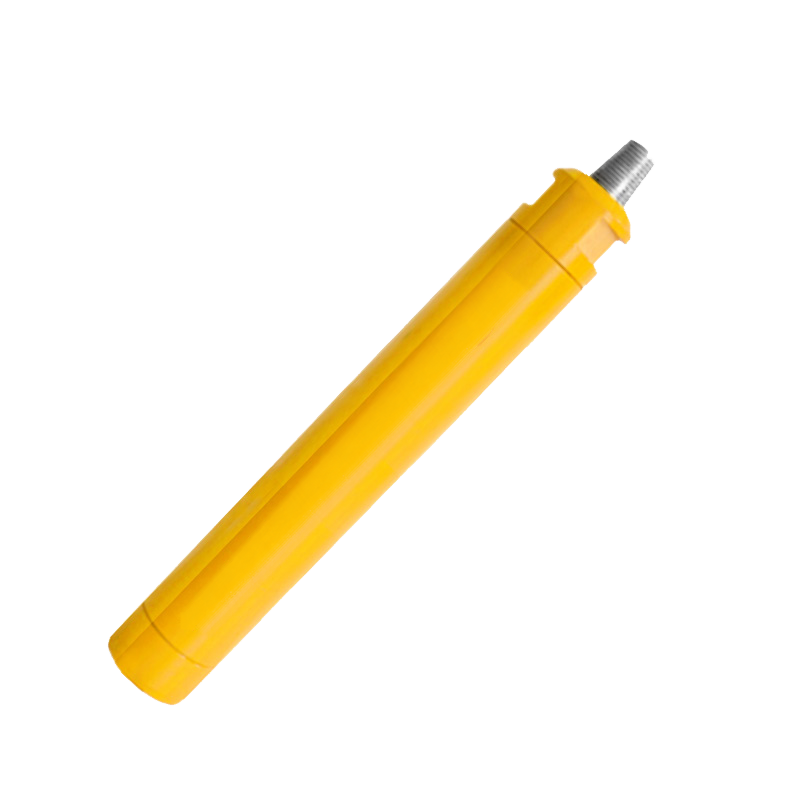
Start with the manufacturer, complete model, serial or part marking, original invoice and applicable parts list. Preserve model suffixes. Add any modification or previous substitution so the supplier assesses the installed assembly rather than the original sale description.
If identity is incomplete, send existing records and photographs of safely accessible markings and connections. Ask for identification before accepting a substitute. Do not dismantle a hammer or operate equipment solely to produce identification evidence; follow the manufacturer’s procedures and site controls.
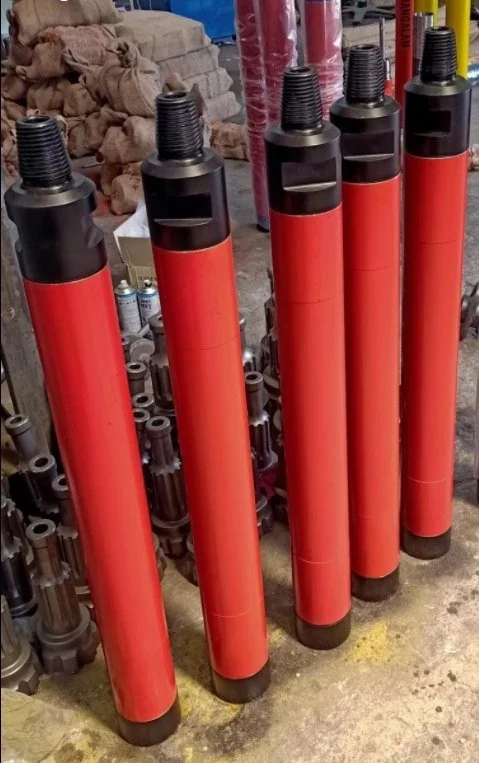
Confirm both connections and the bit footvalve arrangement
Specify the bit interface separately from the backhead connection. Confirm the supported shank, footvalve arrangement and associated parts for the exact proposed hammer and each retained bit. Do not infer the lower interface from the hammer’s size class or upper connection.
| Retained item | Identification required | Decision to record |
|---|---|---|
| Drill rod or sub | Thread designation and drawing | Compatible, replaced or unresolved |
| Existing bits | Manufacturer, part number, shank and intended head sizes | Supported exact references and the proposed hammer’s documented bit-size range |
| Surrounding equipment | Assembly drawing and dimensional restrictions | Envelope and clearance review |
| Service spares | Part numbers linked to the original model | Retained or replaced references |
Confirm the intended bit head sizes against the proposed hammer’s documented bit-size range separately from shank compatibility. An accepted shank does not settle the head sizes or dimensional restrictions of the drilling arrangement.
Do not approve the upper connection and assume the lower one follows. Ask whether retained bits and any associated components were reviewed individually. If both hammer and bit change, put their accepted references on the same configuration record. The water well drilling bits guide explains the bit-order fields.
Recheck air supply using the replacement hammer’s air chart
Check the reference temperature, pressure and other conditions stated on the proposed hammer’s air chart. Ask how site altitude and the required operating conditions affect the selection. Do not apply one product’s reference conditions as a universal compressor rating for other hammers.
Provide the proposed hammer model, compressor identity, delivered-air specification at working pressure, site altitude and expected drilling conditions. Record where airflow is specified and which reference basis is used. A compressor’s maximum pressure and maximum airflow may describe different operating points.
Ask the responsible technical reviewer to assess the hammer, compressor, supply line and drilling requirement together. Keep any air-supply changes visible in the quotation. Use the compressor and drill-string matching guide when the proposed replacement changes the air demand or supporting arrangement.
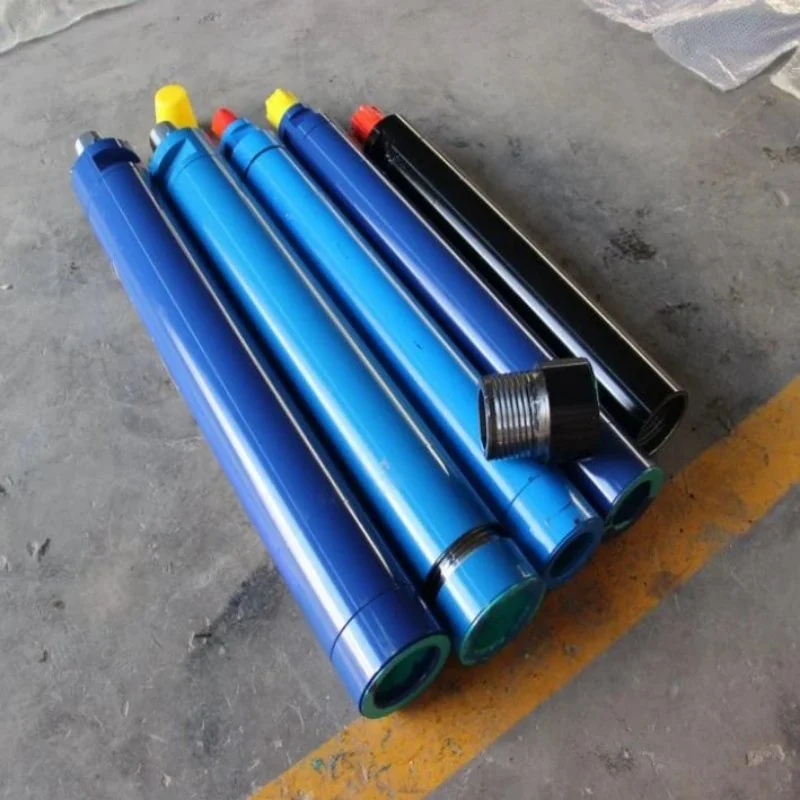
Separate complete-hammer supply from repair parts
Distinguish the complete hammer assembly from its piston and other internal parts. Record separate part references, quantities and any relevant handling weights from the applicable parts documentation. A component reference does not define a complete-unit supply scope.
For a complete replacement, ask what is included: hammer assembly, bit, connecting sub, service tools and documents. For a repair-parts order, use a condition assessment and the applicable parts list. An image of a worn component does not establish whether an internal repair is appropriate.
| Review field | Original or retained reference | Supplier response required |
|---|---|---|
| Unit identity | Manufacturer, complete model and document revision | Proposed complete reference and identified differences |
| Interfaces and bits | Backhead connection, bit shank, retained bit codes and intended head sizes | Confirmed interfaces, supported bit references and bit-size range |
| Dimensions and air supply | Installed envelope, equipment limits and air-supply records | Changed dimensions, operating requirements and required review |
| Supply and open items | Components retained by the buyer and unresolved identities | Included or excluded items, unresolved differences and next evidence required |
Compare offered scope before comparing price. Record named components, technical differences, exclusions and any unanswered compatibility question. After approval, update the equipment and spare-parts records so later orders do not accidentally refer to the retired hammer. Send dragondrill the hammer reference and retention map for a replacement-scope review.
FAQ: specifying a DTH hammer replacement
Will another 5-inch DTH hammer accept all of my existing drill bits?
No. A 5-inch size class does not establish the supported shank or footvalve arrangement. Identify each bit reference and obtain confirmation for the proposed hammer. A shared size class does not establish interchangeability.
What information is needed when the original DTH hammer markings are unreadable?
Provide the previous order, any parts documentation, photographs of accessible features and the identified mating rod and bits. State which details remain uncertain. Resolve the identity before treating a proposal as a repeat order.
Should I replace the complete DTH hammer or order internal spare parts?
Use a qualified condition assessment and the correct parts documentation. Compare separately defined repair and replacement scopes, including changed bits, subs and spare references. Do not select internal parts solely by visual resemblance.