
Choose core diameter from the geological observations, laboratory specimen dimensions and retained sample quantities the project requires. Confirm the actual core size for the named barrel configuration, then check rig and tooling compatibility. Hole diameter alone does not establish how much usable core the program will recover.
What are the core diameters of BQ, NQ, HQ and PQ?
The dimensional example below uses core diameters of 36.4 mm for BQ, 47.6 mm for NQ, 63.5 mm for HQ and 85.0 mm for PQ. Treat these as reference values for comparison, not specifications for every product carrying a similar size label. Confirm the actual dimensions for the named assembly on the quotation.
| System | Core diameter | Standard bit outside diameter |
|---|---|---|
| BQ | 36.4 mm | 59.6 mm |
| NQ | 47.6 mm | 75.3 mm |
| HQ | 63.5 mm | 95.6 mm |
| PQ | 85.0 mm | 122.0 mm |
The core is the material retained inside the cutting assembly. The bit cuts an opening around that material. Record both dimensions in an enquiry, together with the manufacturer, barrel designation and bit gauge. A stated hole size cannot substitute for the laboratory’s required specimen diameter.
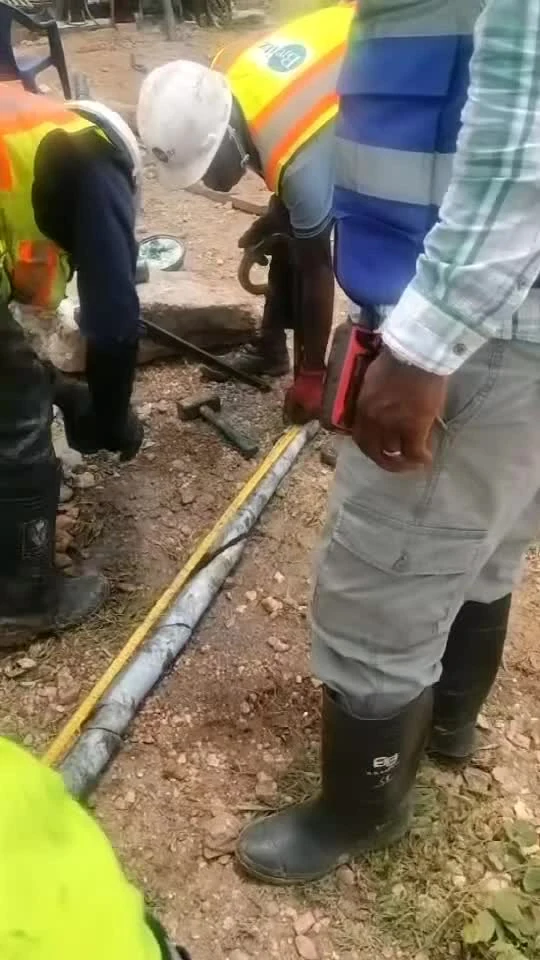
Which laboratory requirements determine core size?
ASTM D4543-19 covers preparation of cylindrical rock specimens and checks on length-to-diameter ratio, straightness, end flatness and perpendicularity. Specimen suitability therefore involves shape and condition as well as nominal diameter.
Ask the testing laboratory to identify the test method, finished specimen dimensions, number of specimens and material needed for preparation. An intact-specimen test cannot necessarily use short fragments even when their combined mass exceeds the requested quantity. Include allowance for trimming and any intervals that the laboratory may reject.
Agree the order of sample use before destructive preparation. Geological logging and photography may need to precede cutting; mechanical testing may compete with assay allocation. Record which team approves each allocation and which material must remain available afterward.
- Geologist: features and intervals to inspect before division.
- Laboratory: specimen dimensions, condition and preparation allowance.
- Metallurgical team: mass, selection and compositing requirements.
- Sample custodian: retained portions, labels and storage arrangements.
How does diameter affect the available sample volume?
Using the example diameters of 47.6 mm and 63.5 mm, a complete cylindrical sample of the larger diameter contains approximately 1.78 times the volume of the smaller sample of equal length. This is calculated from the diameter-squared ratio: 63.5² ÷ 47.6². Use the confirmed dimensions of the proposed NQ and HQ assemblies for the project calculation.
That geometric comparison is not a recovered-mass forecast. Mass also depends on density, recovered length, missing material and the portion assigned to each test. If the sample is divided, the full original cylinder is no longer available for every use.
Distinguish original sample size from the final analytical portion. A laboratory may prepare a split rather than the entire recovered sample. The mass and particle-size specification of that analytical portion does not establish the amount of original core needed to represent a geological interval. Have the laboratory approve the complete preparation route, including the input quantity and retained material.
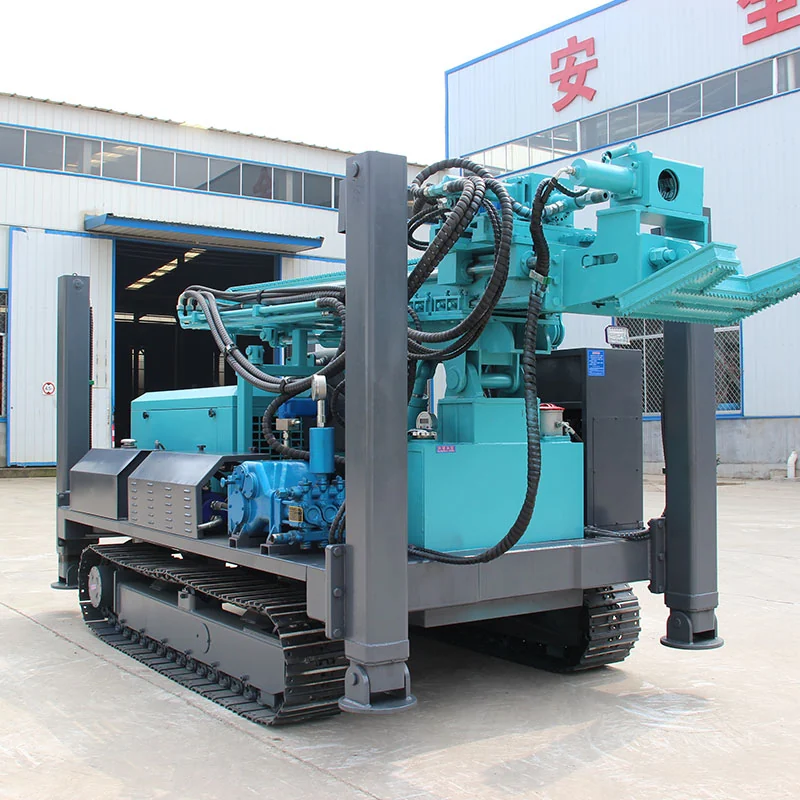
Does a triple-tube barrel change the core diameter?
It can. For NQ3, HQ3 and PQ3 proposals, request the actual core diameter and compare it with the corresponding double-tube assembly before allocating laboratory specimens. Do not assume that adding a liner preserves the core diameter associated with an unsuffixed size designation.
A request for “N size” leaves the actual configuration unresolved. Record the complete designation, including suffixes, liners and bit arrangement. A change intended to support fragmented material may also change the sample dimension or the replacement components required.
Review the double-tube and triple-tube comparison when sample transfer or preservation drives the decision. Then use the core drill-string compatibility checklist to confirm the ordered assembly rather than assuming a nominal size proves interchangeability.
What should a core-diameter enquiry specify?
ASTM D5079-25 covers rock-core preservation, transport and storage, with guidance mainly written for common N-to-P core sizes of 47.6–85 mm. The intended use remains part of deciding how the recovered material must be handled.
Specify the target core diameter, approved sample uses, expected ground, planned hole depth and inclination, barrel configuration and existing tooling. Add the laboratory’s handling requirements and identify any intervals needing a different sampling arrangement. Keep diameter selection separate from a rig’s conditional drilling-depth rating.
If the available rig cannot support the approved sample configuration, return the conflict to the geological team and laboratory for approval of any revised sample plan. Do not reduce core diameter solely to retain a preferred rig. Recheck the approved sample requirements whenever the proposed barrel or liner changes.
Send dragondrill the required core dimensions and project conditions to request confirmation of the equipment configuration and supply scope. Include the existing barrel identification when the enquiry concerns replacement tools.
FAQ: Choosing a rock-core diameter
What is the difference between NQ core diameter and NQ hole size?
Core diameter is the diameter of the recovered sample; bit outside diameter is the cutting dimension. In the illustrative NQ row above, these are 47.6 mm and 75.3 mm respectively. Confirm the exact product and gauge on the quotation rather than treating those example values as universal specifications.
Is a larger rock core always more representative for mineral analysis?
No. Diameter changes available volume, but representativity also depends on geological variability, interval selection, recovery and preparation. Agree the sampling program with the geologist and laboratory before selecting equipment.
Can I choose a drilling rig before confirming laboratory core requirements?
You can shortlist rigs, but the final configuration should follow the required sample dimensions and condition. Confirm the barrel, bit, rods and handling arrangement before treating a listed depth capacity as evidence that the rig can deliver the required sample.