
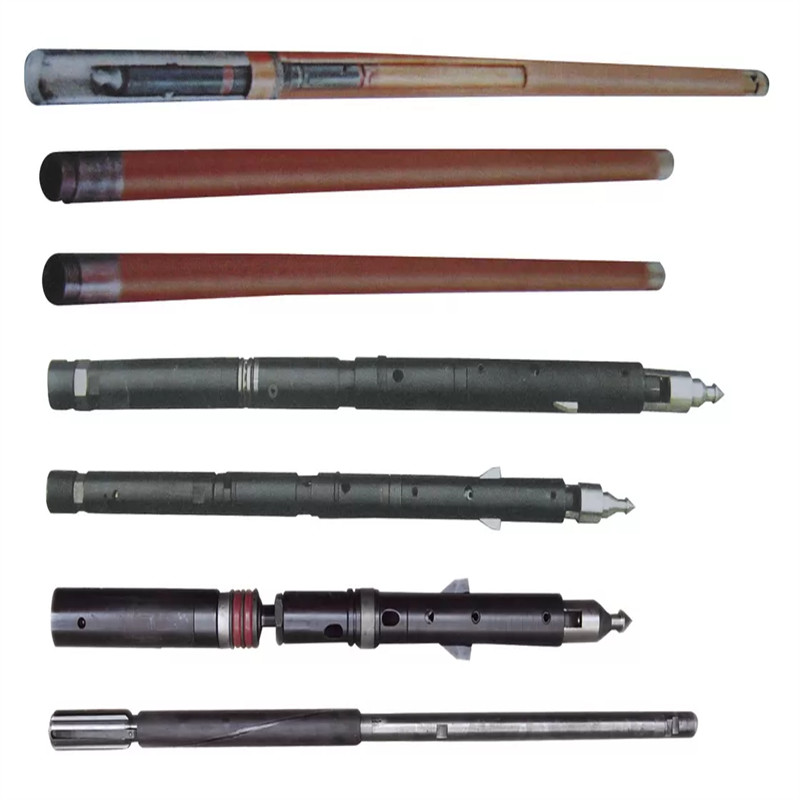
Double-tube vs triple-tube core barrels differ in sample containment: a triple-tube system adds a liner inside the inner tube. Choose by sample condition, transfer method and actual core diameter. Confirm the complete assembly separately from whether retrieval is wireline or conventional.
Double-tube vs triple-tube core barrels: what changes?
The additional liner sits inside the inner tube and receives the core. Specify its material and whether it is split or continuous, and confirm the liner option available for the exact barrel designation, including NMLC where specified.
A liner can support recovered material during removal and presentation. Its value depends on the problem the project is trying to address, such as retaining the sequence of fragmented pieces during transfer. It cannot recover material that never entered the barrel.
Request a section drawing identifying the outer tube, inner tube, liner and sample path. Specify the sample condition required at the laboratory rather than using tube count as the acceptance criterion. The geologist should identify which observations must remain possible after recovery.
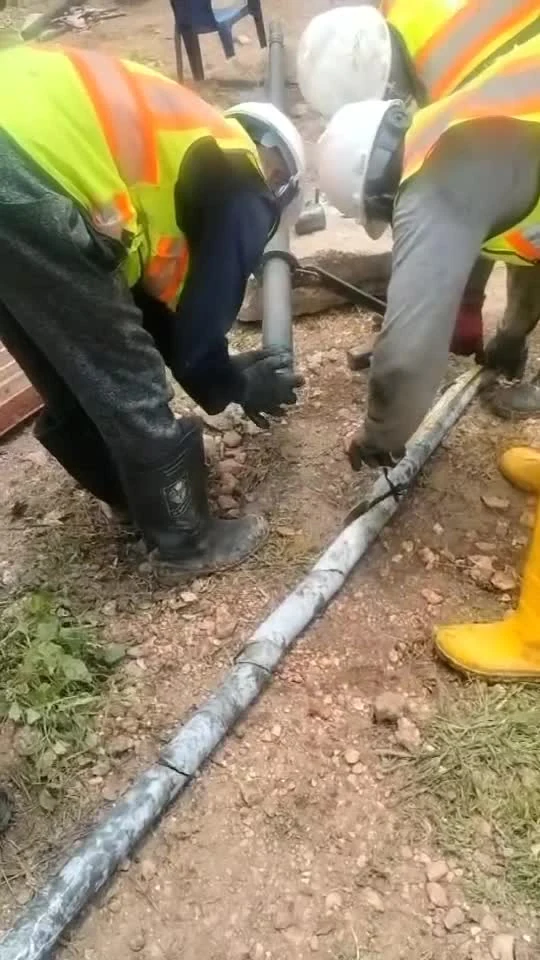
Is triple-tube construction the same as wireline retrieval?
No. Tube construction describes sample containment; wireline or conventional retrieval describes how the inner assembly is recovered. A wireline arrangement can recover the inner assembly without removing the entire drill string. Confirm the construction and retrieval arrangement separately for the proposed system.
| Decision | What to identify | Evidence to request |
|---|---|---|
| Sample-receiving construction | Double-tube or triple-tube, including liner type | Assembly drawing and component schedule |
| Retrieval | Wireline or conventional arrangement | Retrieval equipment and procedure for the named system |
| Sample transfer | Supported removal or retention inside a liner | Handling arrangement accepted by the receiving laboratory |
Put both designations on the enquiry. The wireline and conventional comparison addresses retrieval scope; it does not establish whether a sample liner is supplied or what condition the material will retain.
How can a liner affect the recovered core diameter?
When comparing NQ with NQ3, or HQ with HQ3, request the confirmed core diameter for each named assembly. A liner-equipped configuration can have a different sample diameter, so the complete designation and suffix belong in the specification.
Check the final sample diameter against the laboratory’s requirements before changing barrel construction. A specimen planned around one core size may need reassessment when a liner-equipped arrangement is substituted. Account for trimming and any material allocated to other tests.
Keep core diameter distinct from bit outside diameter and from the capacity stated for a rig. Use the core-diameter selection guide to record the sample requirement, then identify the exact barrel and bit combination that produces it.
Should the liner remain with the sample after recovery?
Decide whether the sample will remain inside a liner for examination and transport or be transferred from a split liner for presentation. Confirm the liner material, end closures and handling procedure for the selected assembly; do not assume every liner supports the same preservation arrangement.
Identify where sample disturbance occurs before treating a liner change as the solution. Review the sample through these stages:
| Stage | Question to investigate | Evidence that helps |
|---|---|---|
| Cutting and entry | What is known about ground condition and material entering the barrel? | Ground logs, run records and the proposed bit and fluid arrangement. |
| Retention in the assembly | What sample condition is required while it remains inside the selected system? | The manufacturer’s barrel section and application explanation. |
| Removal and transfer | How will the sample be supported when it leaves the inner assembly? | The system’s documented handling arrangement and sample-care plan. |
| Surface examination and transport | How will order, identification and required condition be maintained afterward? | Logging, packaging and laboratory handover requirements. |
A liner cannot restore an interval that was not recovered or establish the original orientation of unmarked material. Agree which handling problem the proposed assembly is expected to address.
Ask the laboratory whether the liner material, sealing method and removal process suit the intended test. Identify who labels the liner and maintains the interval record when material is transferred. If a liner is retained, include replacement quantities and transport containers in the supply review.
For geotechnical samples, ASTM D5079-25 addresses mechanical damage, chemistry, moisture and temperature during preservation. A liner alone does not define control of those factors. Agree the handling plan from barrel removal through testing.
Can a double-tube barrel be converted by inserting a liner?
Do not assume so. A triple-tube conversion can involve retention components, liner dimensions and sample-removal equipment as well as the liner itself. Review the approved assembly schedule instead of treating a liner as an independent add-on.
Ask the manufacturer for the complete approved conversion arrangement for the existing assembly. Record the parts retained, parts replaced, resulting dimensions and equipment needed for sample removal. Similar nominal sizes do not establish that an arbitrary sleeve will fit or function.
Compare the proposal with the core-tool compatibility checklist. Keep written component identities and drawings with the purchase record so replacement orders can reference the configuration actually supplied.
Define the sample outcome before accepting the barrel option
- Sample objective: state the condition and identification the geologist or laboratory requires.
- Recorded observations: identify the recovery, disturbance and transfer observations that will show whether the objective is being met.
- Acceptance conditions: agree the evidence to review with the geological and drilling teams; do not use tube count or an unexplained universal recovery percentage as the acceptance rule.
Send dragondrill the barrel identification and required sample condition to request confirmation of the proposed assembly and supply scope. Include laboratory dimensions, ground records and the intended transfer method.
FAQ: Double-tube vs triple-tube core barrels
Will a triple-tube core barrel guarantee complete recovery in fractured rock?
No. Tube construction does not establish a recovery result for a specific hole. Record recovered material and losses by interval, and assess the liner together with the bit, ground conditions and handling process. Define the required sample outcome with the project geologist.
Can a triple-tube liner preserve rock core for every laboratory test?
No. ASTM D5079-25 excludes certain applications where volatile gas changes, contamination or stress relaxation are critical. Have the receiving laboratory approve the liner and preservation method for the intended test.
What information is needed to order replacement triple-tube core-barrel parts?
Provide the manufacturer, assembly designation, size, length, existing part numbers and relevant drawing. Identify whether the order concerns the liner, retention parts, pump-out equipment or complete barrel. Confirm the replacement against the actual configuration rather than a nominal size alone.