
Compare new vs used water well drilling rigs against the same project requirements, then assess configuration, condition, remaining work and support. A new-machine label does not define scope, and low recorded hours do not prove condition. Base the purchase on identified equipment, documented checks and a complete acquisition budget.
Compare new and used drilling rigs against one project brief
The published dragondrill DRW200 specification lists a 140–254 mm hole-diameter range and 76/89 mm drill rods. These are manufacturer-listed configuration data, not independent performance verification or a guarantee for every formation.
Use the same hole diameter, depth, ground information, casing plan and site-access requirements for both quotations. Identify the required drilling method, supporting compressor or pump, and tools. If one offer excludes the support package, its headline price cannot be compared directly with a complete package.
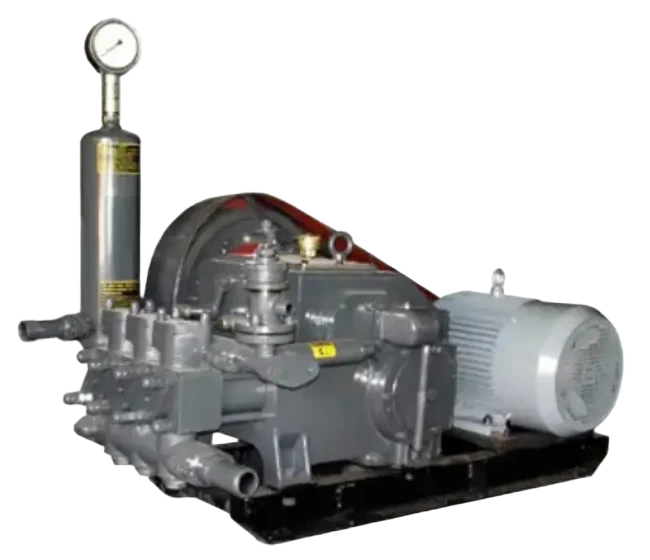
For a new order, request the configuration revision and agreed substitution process. For an existing used rig, match the proposal to its serial identification and installed components. Catalogue photographs can describe a machine family but do not establish the condition of the unit being sold.
The water well drilling rig selection guide provides the project fields to settle before reviewing either purchasing route.
Identify the actual rig and review its condition records
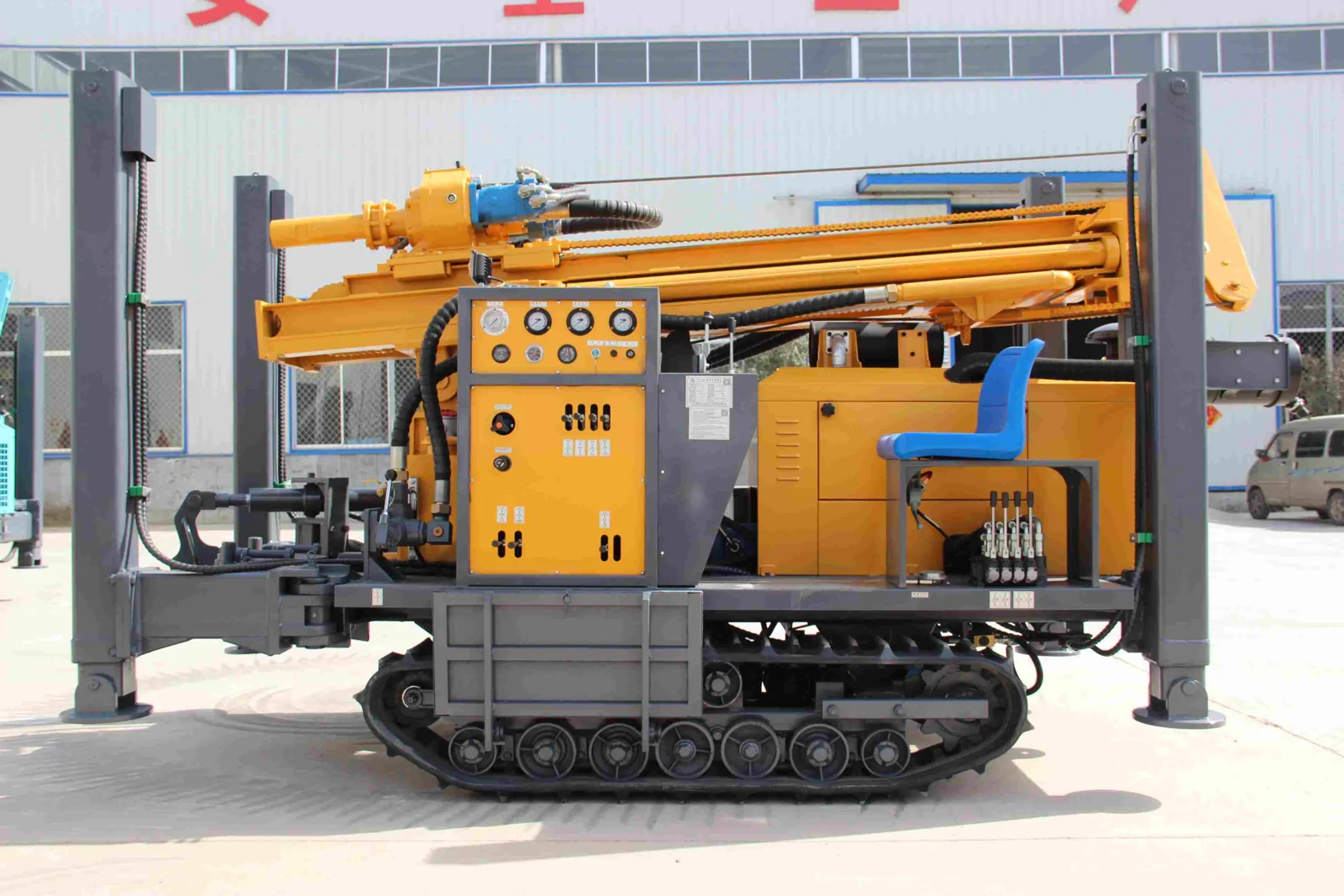
Component identity can be more specific than the rig model. Record the installed engine model and serial identification so its applicable service documentation can be confirmed. The rig name alone does not identify every separately documented component.
Ask for the rig identification, engine and other major-component references, hour-meter record, maintenance history, repair invoices and modifications. Keep missing history visible. A recent paint finish or a replaced engine does not document the mast, feed system, hydraulics or tooling.
Arrange a condition assessment by personnel qualified for the machine and proposed use. Define the inspection scope and record findings, exclusions and unresolved tests. Any demonstration should have agreed controls and operating conditions; a short demonstration cannot validate an untested maximum depth.
For new equipment, establish the pre-delivery checks and documents that will identify the supplied configuration. For used equipment, connect every condition report to the specific machine, date and configuration inspected.
For projects in Great Britain, the HSE guidance on new and second-hand work equipment provides a regulatory reference for safety and instructions for use. Apply the requirements of the actual destination; this reference does not certify an offered rig or replace its configuration-specific assessment.
Require a defined scope for rebuilt or refurbished rigs
The label rebuilt or refurbished does not establish a common work scope. Request the seller’s documented process from intake assessment through completed work, testing and handover, and identify which stages and components are included in the offer.
| Claim | Record to request |
|---|---|
| Component replaced | Installed part identity, date and work record |
| Component rebuilt | Assessed condition, work scope and verification |
| Rig tested | Test conditions, recorded results and exclusions |
| Controls updated | Installed revision and applicable documentation |
| Warranty included | Written coverage, provider, duration and exclusions |
Separate renewed components from retained components and work still required. Ask which deficiencies remain unresolved and who is responsible for closing them. Do not assign an assumed percentage of new-machine life to the label rebuilt.
Compare the refurbishment report with the actual project brief. Work that restores one subsystem may leave a different requirement, such as tooling or site mobility, unanswered.
Compare the cost to reach the agreed delivery condition
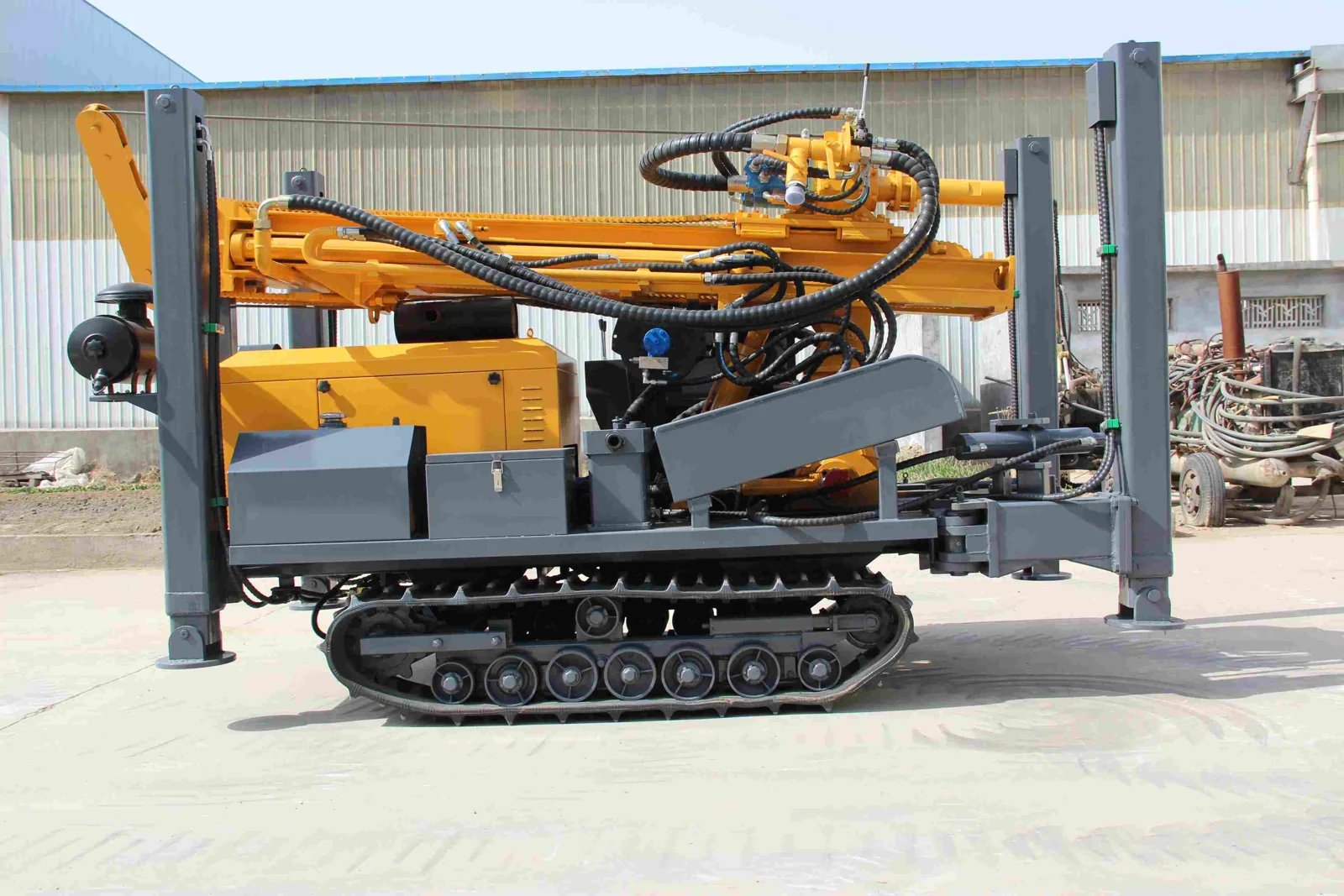
Acquisition budget = purchase price + documented repair work + missing tools and support equipment + transport and applicable charges + commissioning scope. Each term needs a quotation or an explicit unresolved status; an unpriced item is not zero.
| Decision area | Evidence to obtain | Question to keep open until resolved |
|---|---|---|
| Project suitability | Identified configuration reviewed against the project brief | What requirements are met, conditional or still unassessed? |
| Present condition | Applicable inspection findings and available history | What work or further assessment is required? |
| Tooling and support equipment | Itemized identities, quantities and compatibility basis | What must be supplied, adapted or replaced? |
| Documents and parts | Available manuals, parts references and support arrangements | Can the owner identify and obtain the required information and parts? |
| Delivery and readiness | Agreed supply state, shipment scope and site preparation | What remains between purchase and planned use? |
| Commercial responsibility | Written sale terms and any applicable support or warranty scope | Who is responsible for identified problems and exclusions? |
Documentation also belongs in the comparison. Request owner manuals, applicable parts catalogues and nameplate information for each component actually installed. Confirm that the documents match the component identity and configuration rather than merely the machine family.
Compare responsibility for technical questions, parts identification and any agreed training or service. Do not infer local coverage, free repairs or response times from a marketing description. Record the terms offered for the particular transaction.
Match the purchase to the buyer’s ownership resources
- Workshop and personnel: identify the maintenance capability, qualified staff and records the owner can provide.
- Existing equipment: identify available tooling and support equipment that can be used with the proposed configuration, with compatibility confirmed.
- Time constraints: record the planned readiness date and the work, documentation or parts that must be available before that date.
Record a conditional purchasing recommendation that identifies the candidate machine, common project brief, evidence reviewed, remaining work and conditions to close before commitment. Explain how the choice fits the buyer’s resources, and state which unresolved evidence could change the recommendation.
Use the itemized quotation checklist and pre-shipment inspection checklist to document scope and dispatch checks. Request a configuration-specific dragondrill proposal using your project requirements.
FAQ: buying new vs used water well drilling rigs
Does a low hour-meter reading prove that a used water well drilling rig is in condition for my project?
No. Review the machine identity, available history, modifications and a condition assessment. Hours are one record, not a measurement of every component. The inspection must address the actual rig and its intended use.
Does a rebuilt water well drilling rig include every component?
Only the seller’s documented scope can establish that. Obtain the replaced, rebuilt, retained and excluded items in writing, together with the checks performed and unresolved work. Do not assume that another seller uses the same refurbishment scope.
What costs should I compare before choosing a new or used water well drilling rig?
Compare the machine price, confirmed repairs, missing tooling and support equipment, transport, applicable charges and commissioning scope. Keep unknown costs visible. Include documentation and contractual support responsibilities rather than comparing purchase prices alone.