
Build a drilling rig maintenance plan from the manuals for the installed equipment. Link every task to a document, trigger, responsible person and completion record. Preserve hour-based, calendar-based and condition-based requirements separately; do not apply a generic interval to different rigs, engines, compressors or pumps.
Identify the equipment before building the drilling rig maintenance schedule
Identify each installed component using its model and serial identification before selecting service documentation. An engine manual does not describe the rig’s entire configuration. Record the rig and each separately documented component in the maintenance register.
Include model, identification, installed options and modifications. Link the operation and maintenance manual, parts list and relevant service documents, recording their revisions and language. Identify missing documents and who must obtain them.
A parts quotation or brochure can help locate a reference, but it is not a maintenance procedure. Review documentation again after an engine, pump, compressor or control-system substitution. A record tied only to the rig’s commercial name can conceal changes to the installed equipment.
Use the applicable task trigger rather than a universal interval
Use the operation and maintenance manual for the actual machine and installed components to establish service intervals. A generic maintenance package or a schedule for a different machine is not a dragondrill service schedule.
For each task, retain the actual hour, time, event or condition trigger and the relevant qualifications. If a manual specifies more than one trigger, preserve how those triggers apply. Do not replace an operating-hour requirement with a calendar reminder or assume low hours cancel a time-based requirement.
| Field | Entry required |
|---|---|
| Applicable equipment | Rig or component identification |
| Task basis | Manual revision, section and task reference |
| Due trigger | Stated criterion and applicable conditions |
| Current status | Reading or date used to determine the due point |
| Resources | Responsible work role, parts and required preparation |
| Close-out | Work record, findings and remaining actions |
Refer to the controlled procedure rather than compressing repair instructions into a spreadsheet cell. Resolve contradictory or unclear instructions with the responsible manufacturer or technical representative before turning them into a fleet rule.
Keep inspections, planned work and completed work distinct
For work equipment within Great Britain’s PUWER framework, HSE inspection guidance says the inspection record should remain available at least until the next inspection. Apply the requirements relevant to the project jurisdiction and equipment.
Use separate states for scheduled work, an observation, completed work and an unresolved finding. A delivery of filters or seals does not establish that service was performed. Close a task using its work record, not its purchase-order status.
Record completion date, relevant reading, work reference and the person responsible. Retain measurements and findings with their units and source. An operator’s observation of a noise or leak should remain an observation until assessed; do not rename it as a failed component without supporting evidence.
| Entry to clarify | Supporting record required |
|---|---|
| Service the rig | Identify the component and the task reference in its applicable manual |
| Do it next week | Record the manufacturer’s due basis and the current reading or date used for planning |
| Parts ordered | List the confirmed part references and record unresolved items separately |
| Checked | Reference the work record, findings, person completing it and any open actions |
Connect unresolved findings to an assigned action and the equipment’s current status under site procedures. Maintenance must not require bypassing protective devices or working on energized or pressurized equipment outside approved procedures.
Prepare parts and review changes against the installed configuration
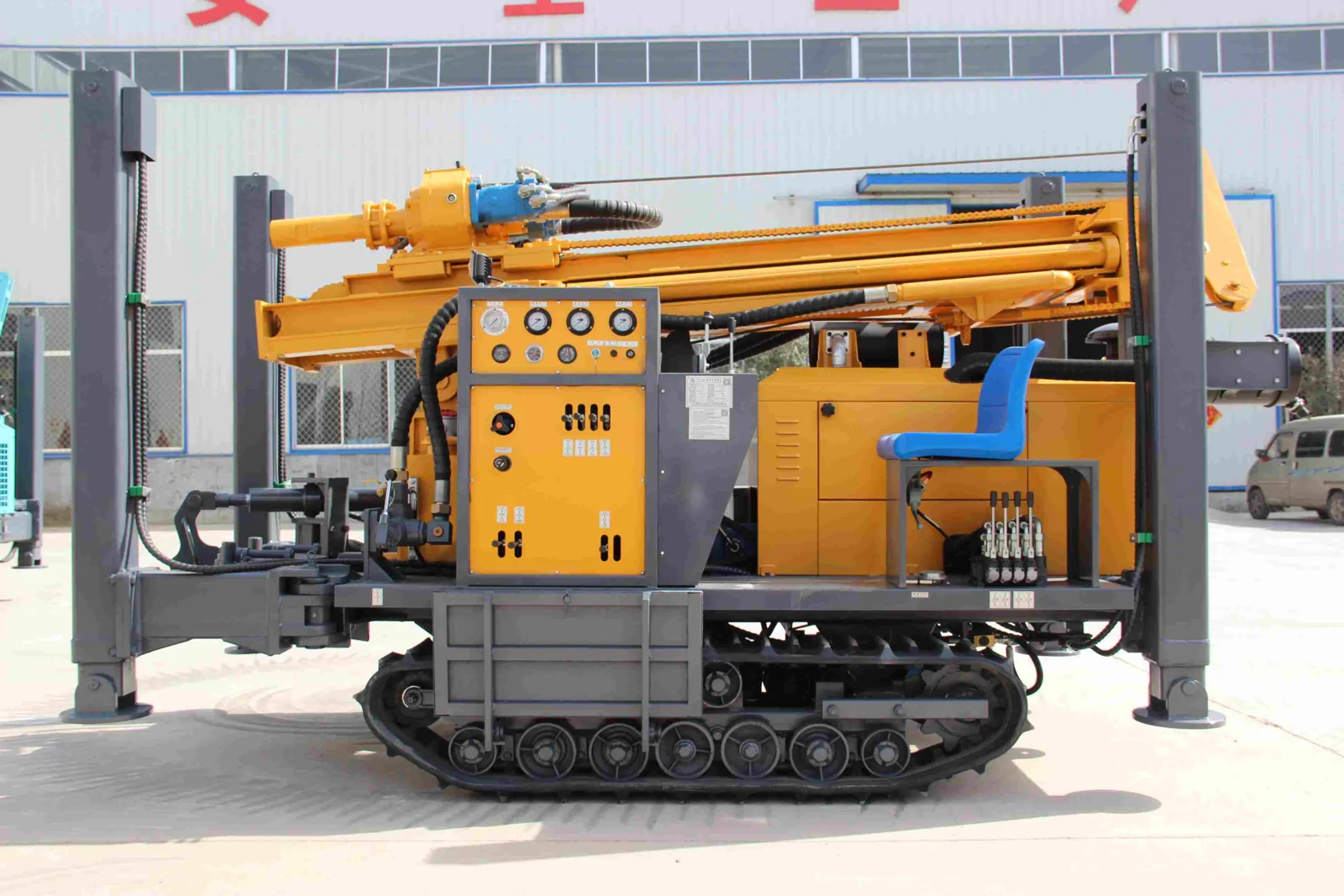
Confirm parts applicability against the installed component’s model, serial identification and documented configuration. A shared maintenance-planning format does not make every parts list applicable to every machine.
Build the purchasing list from identified tasks and component references. Record quantities and approved substitutions. For remote projects, compare due work with actual access to qualified personnel, parts, tools and documents. Keep shortages visible before mobilization.
Review the plan when the configuration, operating conditions or source documents change. Recalculate due points according to the applicable instructions; do not extend stated service limits solely because the machine has not shown a visible fault.
Use the drilling rig technical support report when observations require external review. For a new water well drilling rig purchase, agree the documentation and support scope before delivery. Ask dragondrill which maintenance documents apply to the proposed configuration.
FAQ: building a drilling rig maintenance plan
Can I use a 250-hour drilling rig maintenance interval for every machine in my fleet?
No. A 250-hour interval is not a universal fleet rule. Use the tasks and triggers in each rig’s and installed component’s applicable manuals, retaining any time-based and condition-based requirements.
Should low operating hours allow me to skip calendar-based drilling rig maintenance?
No. Preserve the actual instruction’s time, hour and condition triggers. If their relationship is unclear, obtain manufacturer clarification rather than substituting one criterion for another.
How should I start a drilling rig maintenance register when the history is incomplete?
Identify the installed equipment and applicable documents, mark missing records, and obtain a qualified review of condition and outstanding work. Do not invent past service dates or mark unverified tasks complete. Build subsequent entries from recorded evidence.