
Choose drill rod handling equipment by the movement required, the identified rods, host-rig interfaces and available working space. Separate lifting, presenting and holding tasks. Before ordering a retrofit, obtain a configuration-specific assessment from the equipment manufacturer rather than relying on a demonstration or a similar installation.
Table of Contents
A request for “a rod handler” can describe several different purchases. One contractor wants to move rods from a rack to the mast. Another wants a device to hold an identified part of the string. A third wants to change how rods are stored between movements. Drill rod handling equipment for these tasks may require different mechanisms, controls and interfaces.
Describe the movement from its starting point to its destination
Watch the existing process through authorised observations and records. State where the rod begins, where it must finish, and what happens between those points. “Transfer an identified rod from the storage rack to the feed area” is more informative than “improve handling.” It gives the supplier an actual movement to evaluate.
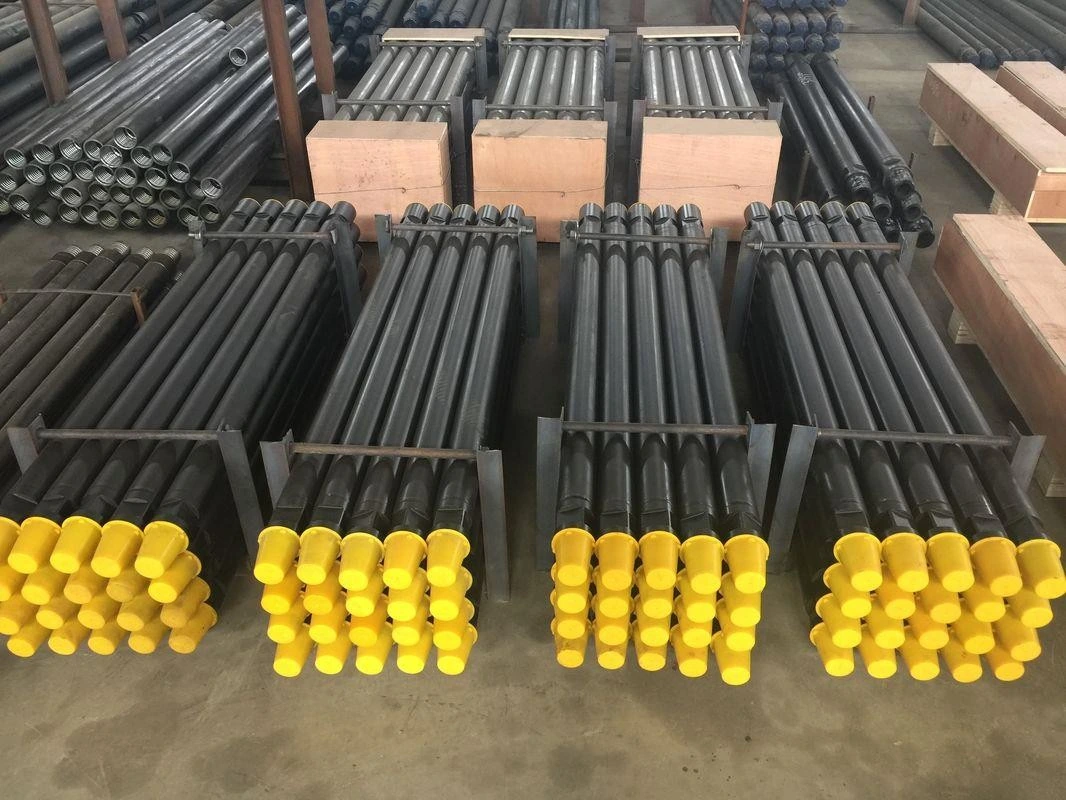
Keep lifting, transferring, presenting, holding and connection-related tasks separate in that description. A device that presents a rod does not automatically provide every holding or connection function. Identify any existing equipment that will remain responsible for those tasks.
The distinction also helps when comparing water well and core drilling applications. Both involve rods, but the rod identity, arrangement and intended movement may differ. A familiar appearance does not establish that an attachment designed for one application suits the other.
Map drill rod handling equipment tasks to rig interfaces
Complete this drill rod handling equipment checklist with the people responsible for the rig and site. Each row should describe one task. Leave an unresolved field visibly open rather than filling it with an assumption drawn from a different machine.
| Task | Evidence to provide | Question for the equipment reviewer | Record the answer as |
|---|---|---|---|
| Take a rod from storage | Rod identity, storage arrangement and permitted observation photographs | What mechanism and supported rod configuration are proposed? | Identified attachment and applicable document |
| Move and present the rod | Starting and finishing positions, host-rig layout and surrounding space | Does the proposed movement fit the actual working envelope? | Reviewed layout and outstanding constraints |
| Contact or hold the rod | Rod and connection details, permitted contact information | Which surfaces and components is the mechanism designed to contact? | Manufacturer-confirmed interface |
| Control the attachment | Existing hydraulic and control documentation | What supplies, controls and integration changes are required? | Configuration-specific requirements and responsible party |
| Return or store a rod | Return destination and proposed storage arrangement | Is this movement within the quoted function? | Included, excluded or awaiting assessment |
This map is a purchasing record, not a handling procedure. Its purpose is to expose missing interfaces before offers are compared. It also makes a partial proposal clear: a supplier may assess one movement while another part of the process remains unchanged.
Identify the rod and the surfaces involved
Give the reviewer the rod specification and its connection identity, together with the applicable drawing or manufacturer reference. Record the overall item being handled, including components that remain attached during the proposed movement. Ask for clarification when a quoted rod length or mass refers to only part of that item.
Contact geometry deserves its own entry. A nominal outside diameter does not describe every shoulder, joint or permitted gripping location. Provide the existing documentation and ask the attachment manufacturer to identify the surfaces its equipment is intended to contact. Avoid making compatibility decisions from a photograph of a clamp around a similar-looking rod.
If the rod identity or mass is unknown, mark it as unknown. Request the information from the responsible equipment source before seeking a rated attachment. There is no useful universal load figure or standard rod-length package that can resolve an unidentified combination.
The drilling tools and accessories directory can help start a discussion about identifiable components. A directory entry does not establish the availability or suitability of a particular handling attachment.
Review the host rig and working area together
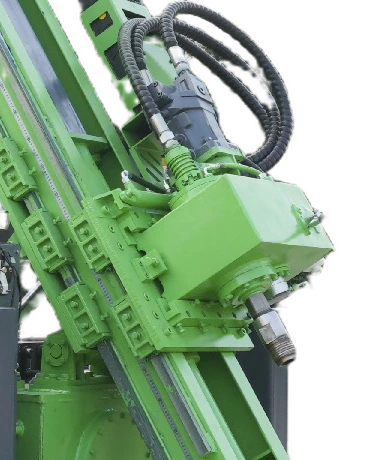
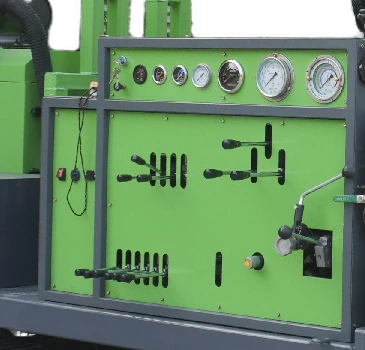
A drill rod handling equipment retrofit assessment needs more than the attachment’s dimensions. Identify the host rig, its configuration and the manufacturer documents describing potential mounting, hydraulic and control interfaces. Record any previous modifications that affect those interfaces. The responsible reviewers need to know what machine they are actually assessing.
Provide a layout showing the mast, rod storage, support equipment and relevant access areas. Label the proposed attachment position and intended movement. Photographs add context, while a reviewed drawing establishes the information that cannot reliably be measured from perspective views.
For a core drilling application, use the identity of the actual core drilling rig and its rod configuration. Do not assume that an attachment shown on another model shares the necessary mounting or control arrangement.
Space and equipment modification require equipment-specific review under the applicable local requirements. Use a site-readiness record to connect the proposed layout with the actual location.
Keep the retrofit decision visible in the offer
When comparing drill rod handling equipment offers, ask suppliers to identify whether they are proposing an original option, an assessed modification or a concept that still needs engineering review. These are different purchasing stages. A price for an attachment does not by itself close the integration work.
Return the completed task map with the offer. Request references for the supported rod configuration, proposed mounting and control arrangement, included components and remaining responsibilities. Keep approval of the combined configuration separate from confirmation that individual items can be supplied.
Where information is incomplete, obtain a list of the missing documents and the person responsible for resolving them. This creates a practical next action without turning uncertainty into a promise of compatibility, staffing reduction or productivity improvement.
Questions about drill rod handling equipment
Is a rod handler the same as a rod clamp?
The names can refer to different functions. Describe the required movement or holding task and ask the supplier to identify what its specific mechanism does. Keep any other required functions as separate scope items.
Can a handling system be fitted to an existing rig?
That requires an assessment of the identified attachment, host rig, rods, controls and working area. A similar installation or a product demonstration is useful background, but it does not confirm your combination.
What if the rod specification is incomplete?
Record the missing identity and obtain the applicable information through the responsible manufacturer or equipment source. Ask for the evidence needed to continue the assessment rather than accepting a rating based on a guessed rod configuration.
To discuss a possible purchase, send dragondrill the task map and equipment identities. The first response should establish which items can be identified and assessed, and what remains necessary before a configuration can be quoted.