
Drilling mud pump selection starts with required flow at required pressure, not separate maximum ratings. Confirm that the proposed pump delivers both under the specified fluid, liner, speed and duty conditions. Then verify drive power, inlet conditions, connections and the complete supply scope before comparing quotations.
Read drilling mud pump flow and pressure at the same configuration
Read the flow and pressure from the same performance-table row or curve for the proposed pump. Confirm the liner size, operating speed and any stated duty limits attached to that point. Values from different configurations must not be combined into an unsupported operating claim.
Write the requested duty as a paired statement using named units: required flow at required discharge pressure. Add the pumping duration, fluid description and expected variation. Ask the supplier to identify the exact pump model and configuration used to meet that duty.
Identify the pressure reference location: the pump outlet or another stated point in the circulation system. Keep that location beside the flow, pressure and units so the supplier can confirm which duty its performance data addresses.
Do not combine the largest flow from one liner with the highest pressure from another. If multiple operating cases are required, list each separately and ask which configuration changes are needed. Preserve the performance-table revision and any conditions attached to the quoted figures.
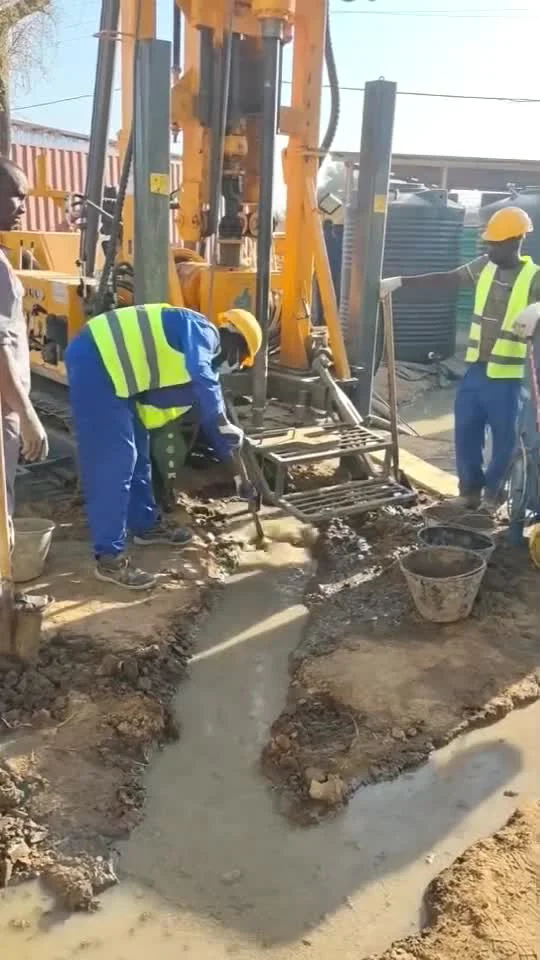
Confirm the speed, input power and operating duty
Request the required input power and permissible operating speed for the selected duty point. Input power, hydraulic output and pump speed are separate fields; they should not be substituted for one another or inferred from unrelated maximum ratings.
Ask whether the drive can sustain the quoted operating point under the project’s conditions. Identify the engine or motor, transmission and any separate cooling or power requirement. The pump’s nominal capacity does not establish that an unspecified drive will achieve it.
State operating hours per day and the planned cycle, including the periods at each required load. Ask the supplier to confirm the applicable duty rating and retain the offered manufacturer’s duty definition. Do not assume that the term continuous duty has identical conditions for every pump.
Check drilling-fluid compatibility and inlet conditions
Confirm the exact pump’s suitability for the drilling fluid, including suspended solids and abrasive content. A pressure-and-flow match does not establish suitability for drilling mud; obtain the applicable fluid and solids limits for the offered materials and configuration.
| Requirement | Information to provide | Confirmation to request |
|---|---|---|
| Fluid | Water, polymer or mud composition | Wetted-material and seal compatibility |
| Solids | Expected content, particle information and abrasion | Applicable solids limits |
| Temperature | Fluid and ambient ranges | Rated operating range |
| Inlet arrangement | Supply tank, level, line and feed arrangement | Required inlet conditions |
| Duty | Operating hours and planned variations | Applicable duty rating |
Where properties are unknown, obtain the drilling-fluid specification or measured project data. Keep assumptions separate from measurements. Do not present an unidentified water pump as a mud pump solely because its catalogue contains a matching pressure.
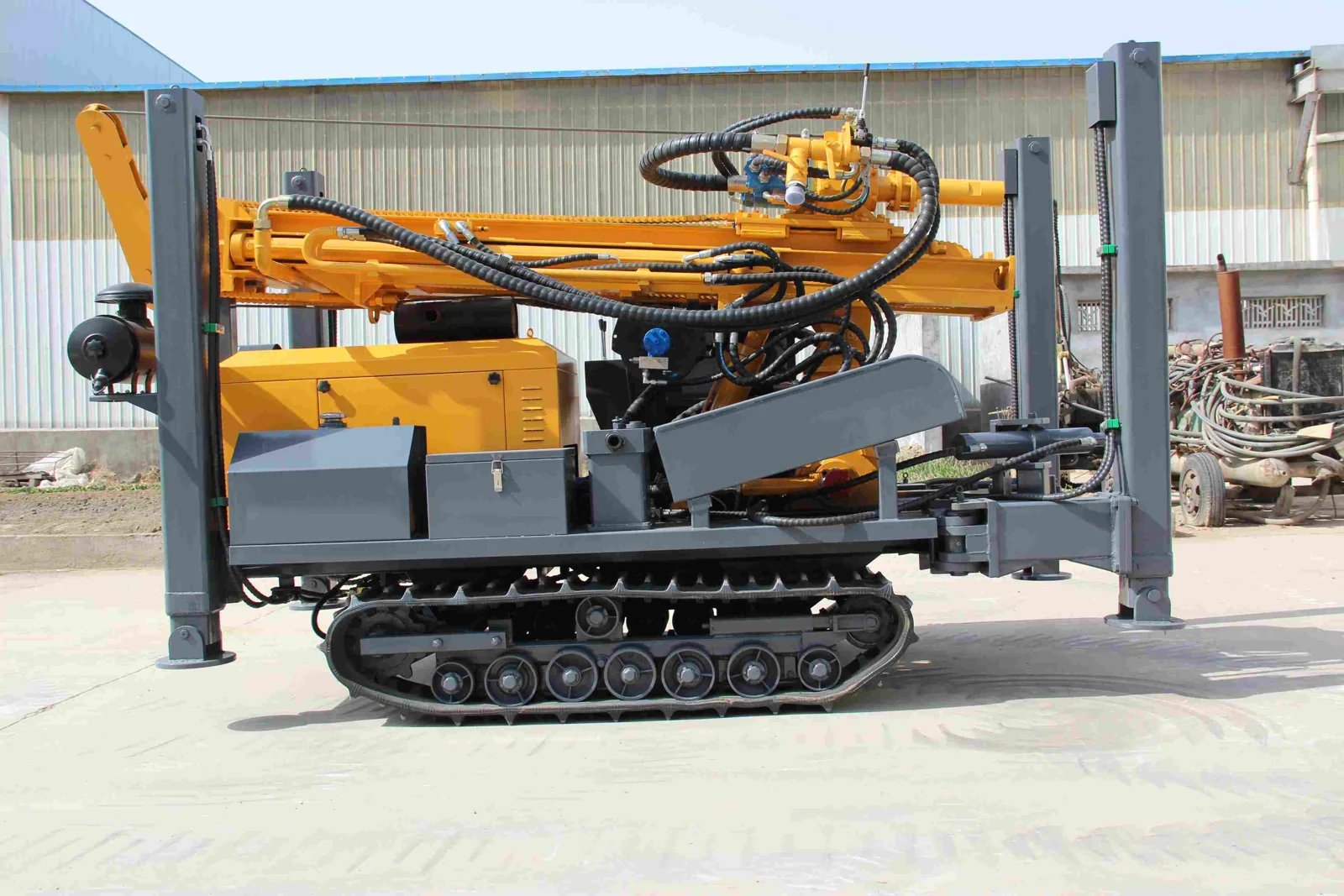
Compare complete pump packages and connection details
Identify the suction and discharge connections separately from the pump’s flow rating. Retain the complete flange or thread designations as well as nominal sizes, and confirm both mating interfaces for the proposed installation.
Compare the pump, drive, base, controls, inlet and discharge components, required protection, documents and service parts as separate scope items. Ask who confirms compatibility with the rest of the rig. Assembly, protection settings and testing must follow the equipment instructions and be performed by authorized personnel.
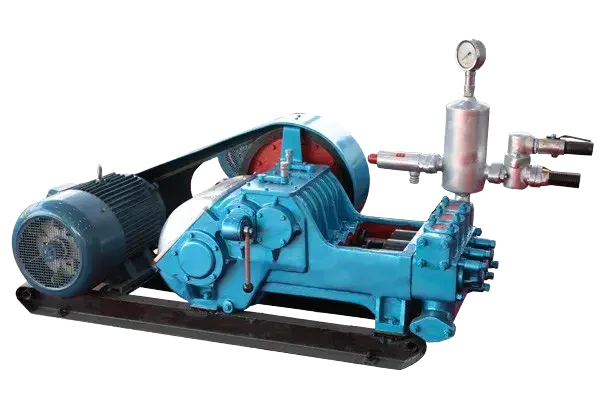
Separate technical requirements from quoted supply. A component needed by the installation may be buyer-supplied; record the supplier/buyer allocation explicitly rather than treating every required item as included in the pump price.
| Record field | Entry to confirm with the supplier |
|---|---|
| Required duty | Paired flow and pressure, units, pressure reference location and operating pattern |
| Offered configuration | Pump model, fluid-end arrangement, drive and operating speed |
| Selection evidence | Document revision and the exact curve or rating-table row used |
| Conditions and qualifications | Written application limits and conditions attached to the proposed duty |
| Supply responsibility | Connections, supporting components and supplier/buyer allocation |
| Open items and acceptance | Missing inputs, responsible reviewer and conditions for final confirmation |
Use the drilling rig quote checklist to expose exclusions and the DTH vs mud rotary guide if the drilling method is still being selected. Send dragondrill the paired duty point, fluid specification and package requirements.
FAQ: drilling mud pump selection for water well projects
Can the maximum flow and maximum pressure on a mud pump brochure occur together?
Not necessarily. Performance depends on the selected liner size, speed and other stated operating conditions. Ask for the paired operating point and its configuration, rather than selecting separate maxima from a headline specification.
What fluid data should I provide when selecting a drilling mud pump?
Provide fluid composition, temperature, solids and abrasive content, relevant viscosity or density measurements, and the proposed inlet arrangement. Ask the supplier which limits and test conditions apply to the exact pump and materials offered.
Does a larger drive motor guarantee that a drilling mud pump is suitable?
No. The pump configuration, permissible speed, fluid compatibility, inlet conditions and system limits still apply. Ask for the manufacturer’s assessment of the entire package at the required duty point.