
A drilling rig technical support report should identify the machine, preserve the observed symptom or exact fault code, and link it to event-time conditions and records. Separate observations from diagnosis. Provide existing evidence safely, then document the technical response before treating a component replacement or warranty claim as approved.
Table of Contents
Drilling rig technical support: identify the rig and component
A rig model and an engine identity are different records. Include the installed engine model and serial identification when reporting an engine-related fault so the reviewer can select the applicable component documentation.
Provide the rig model, serial identification, site equipment reference and installed configuration. Identify any separately documented engine, compressor, pump or controller involved. Include significant modifications and the source of the configuration information.
Use existing nameplate images, purchase records and maintenance documents. If a character is unreadable or a model is uncertain, preserve that uncertainty. Do not substitute the identity of a visually similar component.
Record the location, responsible contact and time zone needed to discuss the event. The first report should let the recipient identify which physical unit and configuration the observations describe.
Preserve exact fault codes and separate them from diagnosis
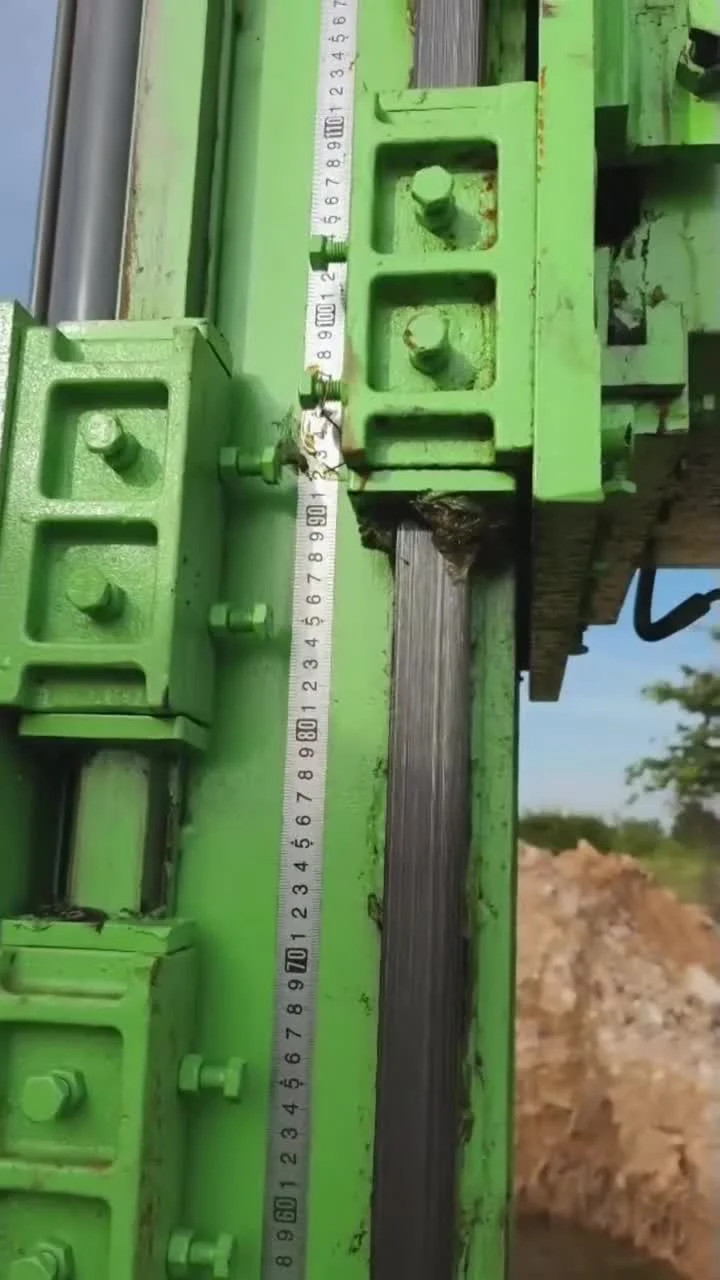
Keep J1939 fault-code information, where applicable, with the exact engine, controller and system context. A code belongs with the exact recorded wording and equipment identity, not as an isolated number.
Copy the displayed code and wording from existing records, including units and any available status. Describe the observed function: for example, rotation stopped during an already recorded operation. Keep a proposed explanation, such as a pump failure, separate until the evidence supports it.
State whether the symptom was observed once or repeatedly using what is already known. Include recorded operating hours, the activity underway and recent documented changes. Distinguish readings captured at the event from readings taken later.
Do not recreate a hazardous event, bypass a protective device or open a pressurized system to obtain evidence. Follow the equipment instructions and site controls for the machine’s current status. Diagnostic connection and testing belong to authorized personnel using the applicable procedure.
The HSE maintenance guidance calls for a procedure for reporting damaged or faulty equipment and emphasizes competent maintenance personnel. Use it as a Great Britain safety reference, alongside the applicable local requirements and machine instructions, not as a diagnostic procedure.
Build an event timeline and one evidence index
Keep service history, fault codes, applicable manuals and prior claim records together in one evidence index. This lets the reviewer connect the event to earlier work instead of relying on disconnected files.
| Record | Information to preserve | Question it helps answer |
|---|---|---|
| Identification photo | Equipment identity and capture date | Which component is installed? |
| Display or event record | Code, wording, units and timestamp | What was recorded at the event? |
| Existing event video | Function shown and timeline position | What was visibly happening? |
| Maintenance record | Work performed, date and findings | What changed before the event? |
| Configuration document | Revision and installed arrangement | Which specification applies? |
Assign filenames or record references and use them in the event description. Preserve unaltered originals when adding annotations to copies. Mark missing event-time information as not recorded rather than reconstructing it as a measurement.
Sequence the known events: previous work, operating activity, symptom, response under site procedures and present status. Keep uncertainty about timing visible, especially when reports arrive from different teams or time zones.
Fault report fields to complete
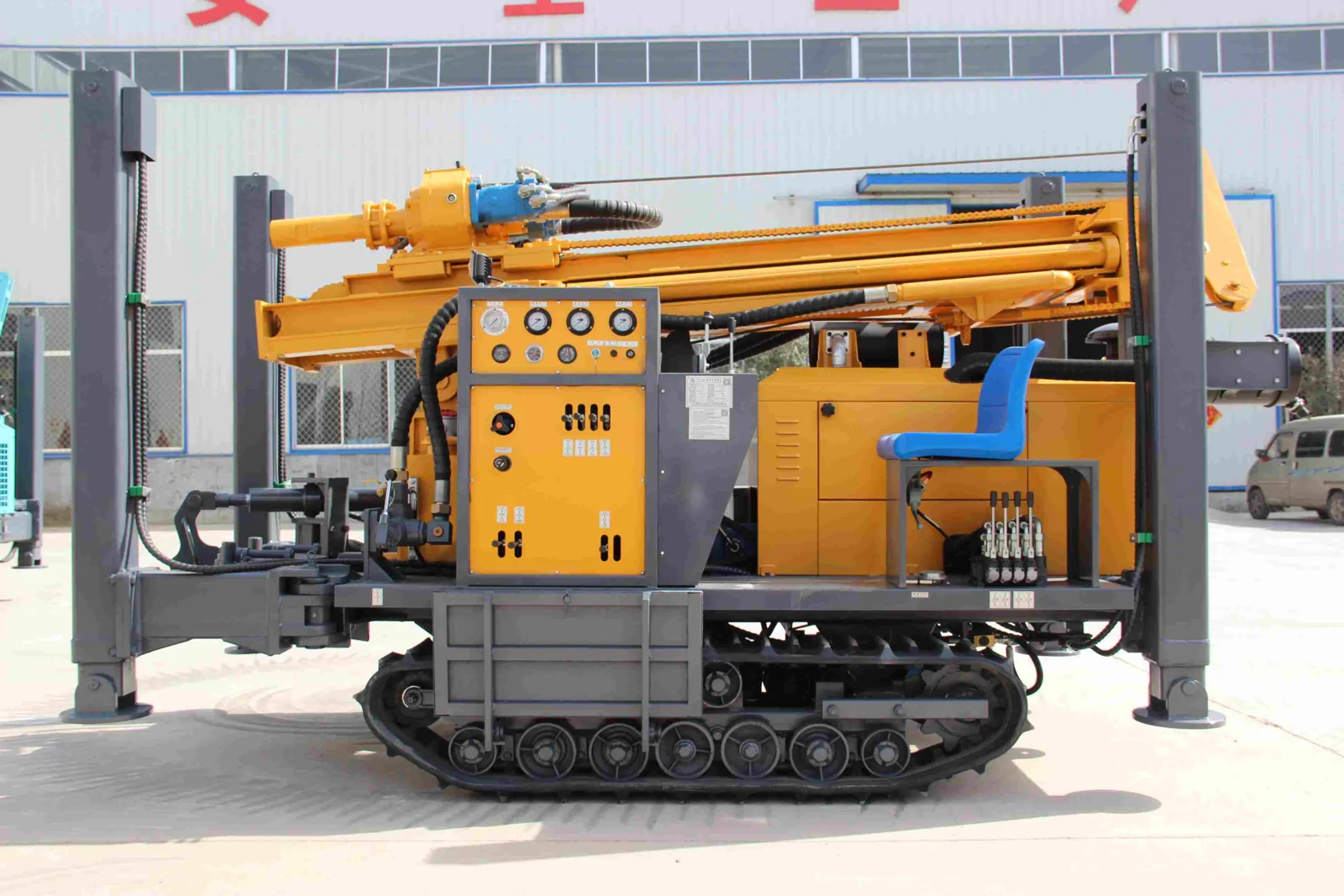
- Equipment: [rig model and identification]; [installed-configuration document]; [confirmed component identity, or unresolved].
- Observed event: [what was observed, without an assumed failed component]; [event time and site time zone]; [exact recorded fault wording or code, or not recorded].
- Available context: [activity underway]; [existing readings with units and their capture times]; [recorded hours and site conditions]; [information not captured at the event].
- Recent history and evidence: [documented maintenance or configuration changes, or no information available]; [references to identification images, existing event records and maintenance entries].
- Current status and request: [status established under site procedures]; [information or technical review requested]; [responsible contact]. Keep an unconfirmed replacement proposal separate from the diagnosis.
Use existing records to fill these fields. Mark missing information as not recorded; do not operate the machine to recreate an event for the report.
Connect the technical response to parts and maintenance records
A parts proposal should retain the component identity and document reference used to reach it. Confirm that the parts catalogue and service information apply to the installed model, serial identification and configuration.
Nominate a contact to maintain the report revision, record questions and attach new evidence. When an earlier code, identification or reading is corrected, record the correction so conflicting versions do not circulate as equivalent facts.
For a proposed repair or replacement, ask which findings support the recommendation and what remains conditional. Confirm the part reference, included work and commercial responsibility. A support discussion is not automatically a confirmed diagnosis, parts order or warranty approval.
Link the outcome and open actions to the drilling rig maintenance register. Send dragondrill the equipment identity, event description and evidence index for technical-scope review. State whether the request concerns identification, further information, a replacement quotation or an existing service arrangement.
FAQ: preparing a drilling rig technical support request
Is a drilling rig fault code enough for a technical support diagnosis?
No. Include the exact wording, equipment identity, observed symptom and event context. A short number without its component, system and configuration can be ambiguous; a fault code alone does not establish the failed part.
What should I send for drilling rig technical support when no fault code was recorded?
Send the machine identity, observed symptom, existing timeline and available records. Mark the code as not recorded. Do not invent a code or operate the machine solely to recreate a hazardous event.
Does submitting a drilling rig fault report approve a repair or warranty claim?
No. The report supplies evidence for review. Diagnosis, service scope, parts identification and warranty eligibility require their applicable assessments and agreed terms. Preserve the written outcome and unresolved actions with the equipment history.