
Impregnated vs surface-set core bits differ in diamond placement: distributed through a wearing matrix or set in one working layer. Select by formation hardness, abrasiveness, fracture conditions, crown design and documented performance. Neither type has a universal advantage in penetration rate, service life or cost per metre.
How do impregnated and surface-set core bits cut rock?
Surface-set bits have a single working layer of diamonds on the crown face. Impregnated bits contain diamonds distributed through a matrix; matrix wear releases worn diamonds and exposes fresh particles. The difference concerns diamond distribution and renewal of the cutting face.
| Specification | Surface-set | Impregnated |
|---|---|---|
| Diamond location | One working layer on the crown face | Particles distributed through the matrix |
| Wear description | Wear of the exposed stones | Diamond wear and matrix erosion |
| Details to request | Stone size, grade, setting and profile | Diamond specification, matrix and profile |
| Common dimensional checks | Core diameter, bit outside diameter, connection and barrel designation | |
Start with those construction details rather than a catalogue colour or a price difference. Record the exact product identity so that later wear observations can be connected to the delivered bit, not merely to the general cutting category.
Why does the impregnated matrix need to match the formation?
An unsuitable matrix can retain worn diamonds instead of releasing them, or release cutting diamonds before they have worn out. Diamond exposure depends on the interaction between the crown and the application.
Consequently, a remaining crown height does not reveal all remaining cutting life. Ask the manufacturer what face condition indicates glazing, matrix erosion or another application issue in its specific product system. Send photographs of the bit face, inner gauge and outer gauge together with drilling records.
Identify the intervals where performance changed, the formation encountered and the reason the bit was removed. Distinguish a bit removed for wear from one removed after damage, a change in ground or completion of the hole. Keep any changes to drilling parameters under the manufacturer’s instructions and the responsible drilling team.
Which ground conditions matter beyond rock hardness?
A hardness number alone does not identify the correct bit. Review the proposed product’s application limits together with abrasiveness, fracturing and variability; a hardness range does not establish suitability for every formation within that range.
Describe the ground conditions separately:
- Cutting resistance: identify the intervals where the recorded cutting conditions change.
- Abrasive wear: provide prior bit records and photographs that show the observed wear.
- Fracturing and variability: record broken zones and changes along the hole, rather than selecting one rock name to represent every interval.
Include the formation log and record of recovered material so the reviewer can assess the observations behind a description such as “hard rock.”
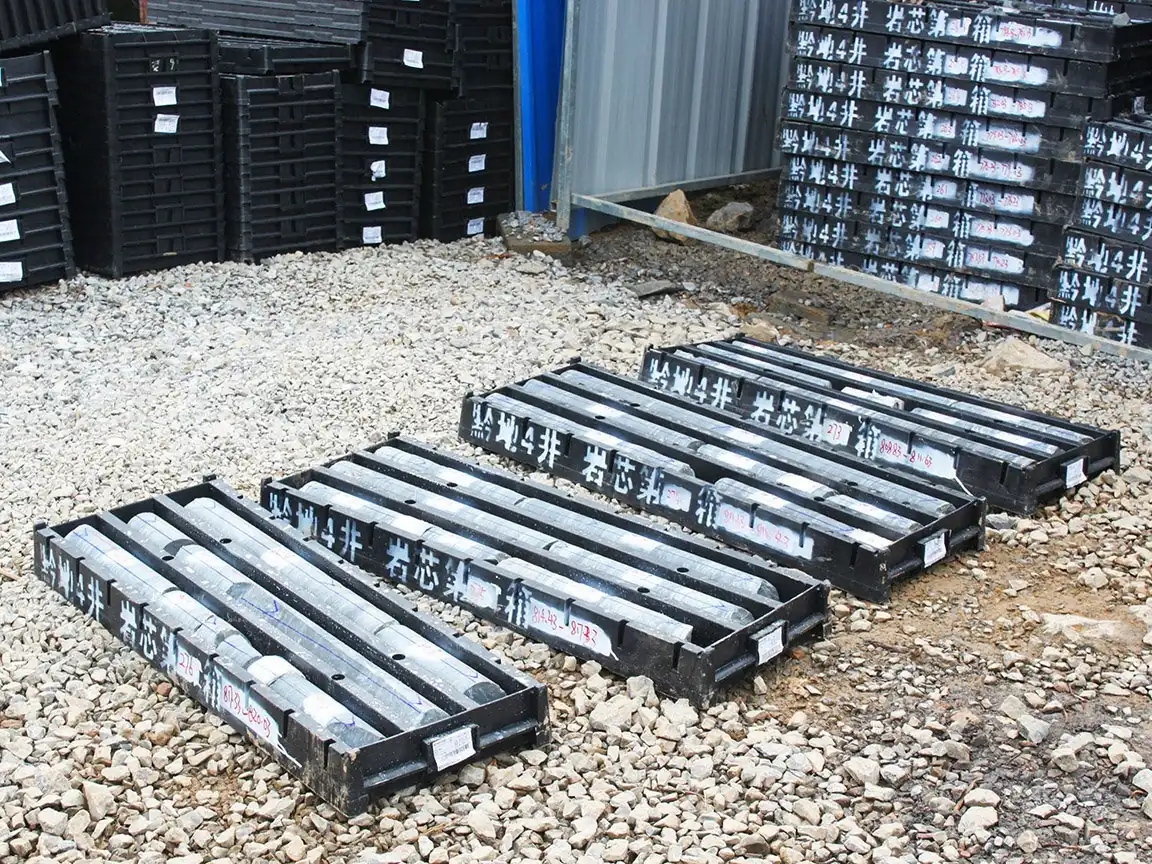
Ask the reviewer to identify which observed condition the recommendation addresses. Where ground evidence is missing, request the proposed application limits and the information needed to reassess the selection. Do not translate another manufacturer’s matrix names, colours or Mohs ranges into dragondrill specifications.
How should diamond size, crown profile and fluid passages be compared?
Stones per carat, or SPC, describes diamond size rather than diamond quality. Ask the supplier to identify the crown profile and discharge arrangement separately, and explain how those features suit the intended application.
Ask each bidder to identify the meaning of its grade designation. A larger number cannot be treated as evidence of a higher diamond quality unless the supplier’s definition supports that comparison. Record crown profile, crown height and discharge arrangement separately from stone size.
Review the bit with the intended barrel, especially where fractured or friable core must survive entry and removal. The barrel construction and fluid route remain part of sample handling. Confirm the required core diameter before accepting a replacement, because a cutting-structure recommendation does not establish dimensional fit.
What evidence should support a core-bit purchase?
Surface-set bits can differ in diamond size, grade and crown profile. A comparison of two unnamed “surface-set bits” therefore leaves several design variables uncontrolled.
Use a comparison record with these fields:
- Product and application: product code and formation interval.
- Recorded use: drilled metres and drilling hours, keeping the measurements distinct.
- Wear and removal: crown dimensions before and after use, and the reason the bit was removed.
- Sample outcome: recovered sample condition and any unusable intervals.
Separate bit purchase cost from the cost of trips, downtime and unusable intervals. Compare records from the same application before drawing a cost-per-metre conclusion.
For a trial order, agree which product attributes change and what the team will record. Include the existing barrel and bit identification in the tool compatibility review.
Send dragondrill the bit designation, core-size requirement and formation records to request a documented supply proposal. Ask for the manufacturer’s application guidance and the complete crown and connection specification.
FAQ: Selecting diamond core-bit construction
Are surface-set diamond core bits only used in soft rock?
No. Suitability depends on the identified diamond combination, crown design and application limits, not only the broad bit category. Select the identified product against the formation and documented guidance instead of using a single hardness label for the whole category.
Does a taller impregnated core-bit crown guarantee more drilled metres?
No. Crown height states the available working material, but service life depends on matrix wear, diamond exposure, ground conditions and damage. Compare records for the named bit and application rather than treating height as a field-life guarantee.
Can I compare core-bit matrix colours or grade numbers between manufacturers?
Only when the manufacturers’ documentation establishes what each designation means. Matrix codes, colours and diamond-size labels may describe different attributes. Request their definitions and compare the underlying cutting structure and application limits.