
RC drilling vs diamond drilling is a choice between interval rock-chip samples and a recovered core sequence. Select the method by geological observations, specimen requirements, recovery, preparation and equipment scope before cost. Neither method alone guarantees representative samples, complete recovery or an oriented geological record.
RC drilling vs diamond drilling: what samples do they produce?
Mineral-exploration RC produces chips using a pneumatic hammer, while diamond coring cuts a cylindrical rock sample. Chips support interval-based observations; recovered core can retain relationships between adjacent features.
Write the geological question before selecting a method. A program seeking chemical variation across intervals has different sample requirements from one examining fracture geometry or preparing intact mechanical-test specimens. The geologist and laboratory should approve those requirements.
| Requirement | RC proposal | Diamond-core proposal |
|---|---|---|
| Interval assays | Chip collection, splitting and identification | Core selection, cutting and preparation |
| Contacts and structures | Interpretation possible from interval chips | Recovered sequence, condition and orientation needs |
| Intact testing | Confirm whether chips satisfy the test | Confirm specimen dimensions and preservation |
| Reference material | Retained chips, rejects and pulps | Retained core, rejects and pulps |
Do not use sample mass as a substitute for sample form. Chips cannot supply an intact cylinder when the selected test requires one.
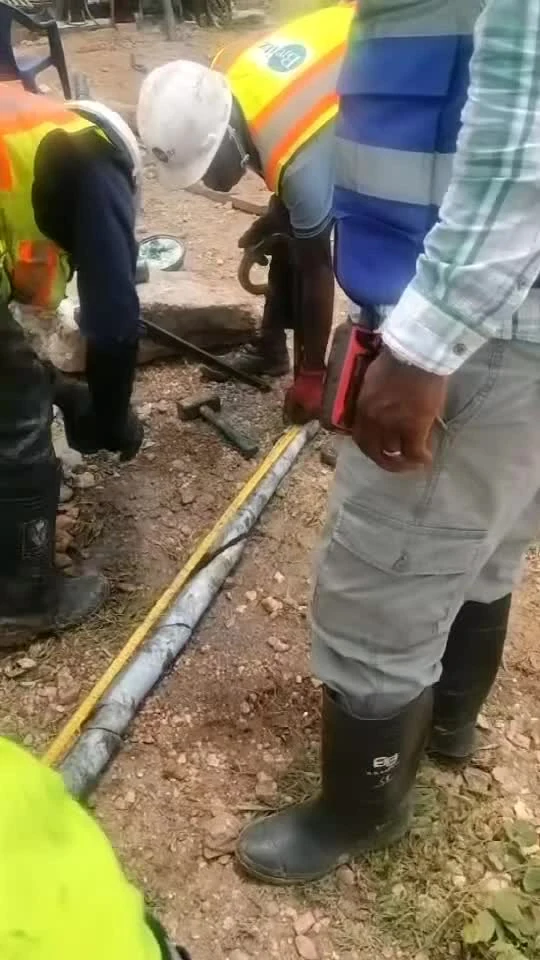
How does an RC sample travel from the bit to the sample bag?
Dual-wall RC rods carry compressed air downward and return chips through the inner tube. At the surface, a cyclone and splitter separate and divide the returned material. Confirm the actual return and collection arrangement for the proposed equipment.
Review the whole sample path in the proposal. Identify how the returned stream is assigned to a depth interval, how splits are collected and labelled, and how carryover between intervals is controlled. The presence of bagged material does not establish that those steps were documented.
Ask what happens when groundwater or unstable ground affects collection. Record wet or dry sample condition and any interval that needs qualification. Define the sampling interval with the project team rather than assuming every RC program uses the same interval length or splitter arrangement.
The equipment list should identify the hammer, dual-wall rods, return connections, collection system and compressed-air supply. A core-drilling machine listing alone is not evidence that those RC functions are installed or supported.
Does diamond core preserve orientation and laboratory suitability?
Core orientation and down-hole surveying are separate geological-data tasks. A cylindrical sample in a tray does not, by itself, establish its original spatial orientation.
Where structural measurements are required, specify the orientation method, hole survey and records that connect the core to the hole. Keep recovery gaps, broken sections and uncertain placement visible in the geological log. Do not convert an incomplete sequence into an apparently continuous record by rearranging pieces without documentation.
For mechanical tests, ASTM D4543-19 covers cylindrical specimen preparation and dimensional checks. Agree the required diameter, intact length and condition before drilling. The core-diameter guide addresses sample allocation, while barrel construction addresses protection during recovery and transfer.
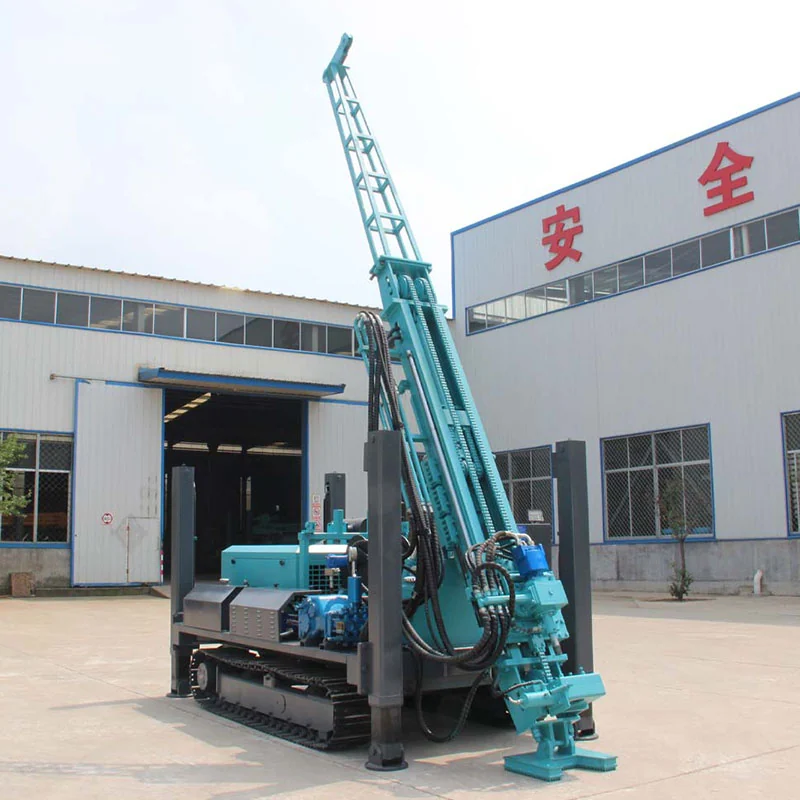
How should sampling quality be checked for both methods?
JORC Code 2012, Table 1 calls for descriptions of core and chip recovery assessment, sample preparation, sub-sampling and potential recovery-related bias. It distinguishes core fractions from non-core splitting and asks whether non-core samples were wet or dry.
Use the reporting framework applicable to the project and document the evidence behind sample acceptance. Identify duplicates, blanks, reference materials and laboratory checks with the responsible geologist. A drilling-method label does not replace those controls.
Laboratory preparation also varies with sample form and the analytical objective. Confirm the required crushing and pulverising stages, input mass, target particle size, splitting method and retained quantities with the receiving laboratory. Do not apply a preparation route from another project as a universal prescription.
What should an RC-versus-diamond cost comparison include?
Include the compressor, collection cyclone and sample splitter in the RC equipment-scope review. Comparing only the drill rig or drilling rate can leave these support items and their associated work unpriced.
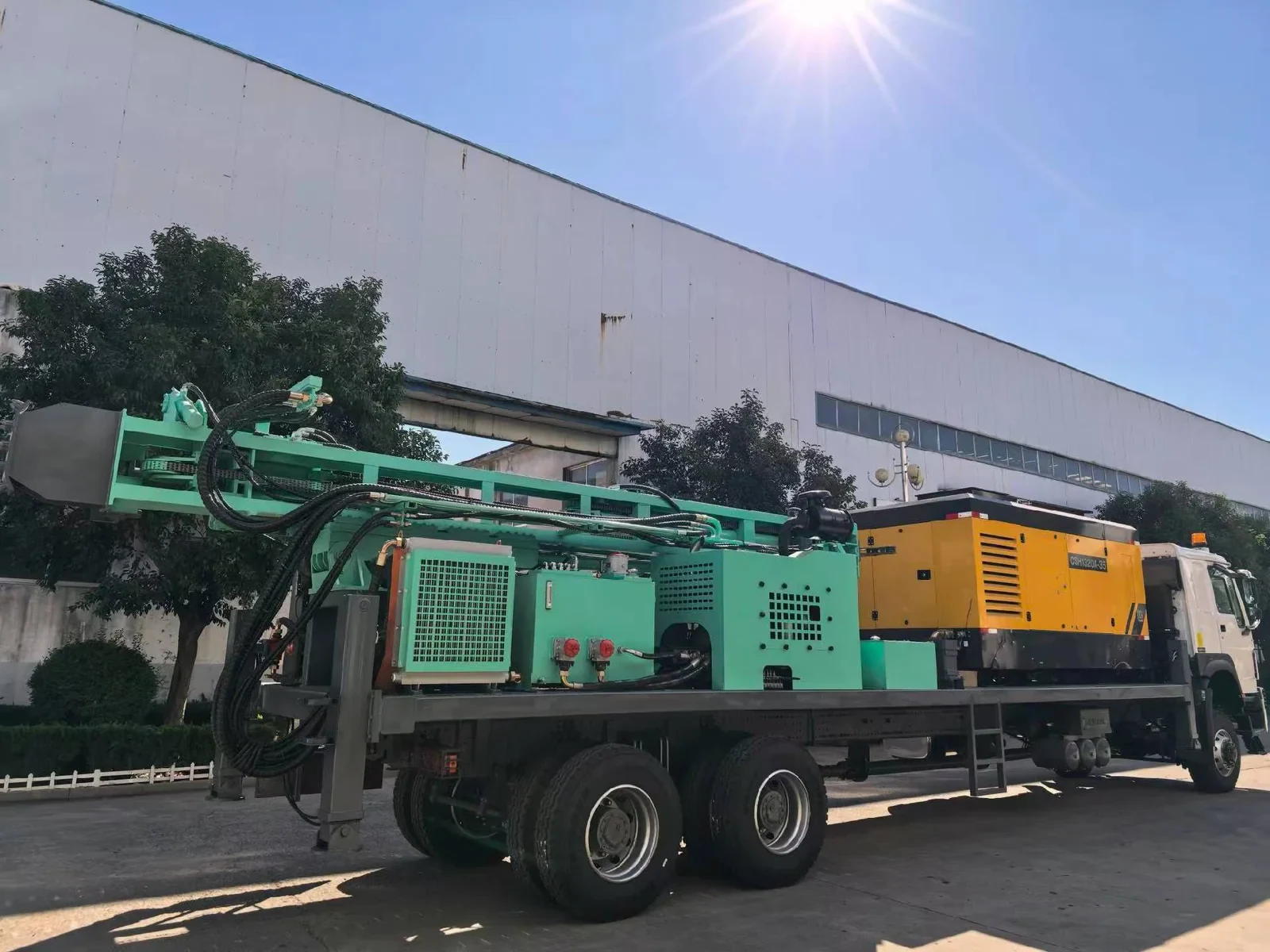
Request estimates for the same approved objectives, depths and hole geometry. Separate mobilisation, drilling, air or fluid support, consumables, collection, logging, laboratory preparation and interruptions. State whether costs per metre count drilled metres or intervals delivering the required sample.
A combined program can use different sample forms for different questions, but each hole needs a stated purpose. Document what one phase is expected to establish before commissioning the next. Avoid fixed claims that RC is always a particular multiple faster or cheaper.
Review the consequences of changing drilling method alongside the purpose of each phase:
- Sample handling: confirm how collection, splitting or core handling, interval identification and retained material change.
- Personnel: identify the staffing required for the chosen drilling and sample-handling scope.
- Laboratory preparation: obtain the receiving laboratory’s requirements for each sample form.
- Equipment scope: confirm the drill string, air or fluid support and collection or recovery equipment needed for the proposed method.
Record what decision one phase is expected to support before the next is commissioned, and which uncertainties remain for later work. A method change is not only a change of rig.
Use the mineral exploration RFQ outline, then send dragondrill the sampling objective and approved equipment requirements. Request confirmation of the actual supply scope rather than assuming that a core-equipment enquiry includes an RC system.
FAQ: RC drilling vs diamond drilling
Can RC drilling samples be used for mineral assays?
Yes, with a sampling and preparation protocol suited to the deposit and analytical method. The project must still control collection, interval identification, splitting and quality checks; an assay result alone does not establish representativity.
When is diamond core drilling needed instead of RC chips?
Consider diamond coring when the approved investigation requires an observable rock sequence, structural measurements from oriented core or intact specimens. Confirm that the planned recovery, orientation and handling arrangements can meet those requirements.
Can a diamond core drilling rig also carry out RC drilling?
Only if the specific rig configuration and supporting equipment are confirmed for RC work. Check the drill string, hammer, air system, return path and sample collection equipment. A general core-rig description does not establish RC capability.