
Order water well drill rods by identified connection, diameter, wall specification, effective length and quantity. Count only inspected, compatible stock available for the planned job. Calculate replenishment separately from drilling-depth capability, and confirm the rod, rig-handling system and mating tools before accepting substitutions.
Specify water well drill rods by diameter and connection together
Record the pipe outside diameter and complete connection designation as separate specification fields. An API REG designation does not by itself identify the pipe diameter, wall specification or load capacity. Confirm each field for the exact rods being ordered.
For each rod group, record the manufacturer, part number, outside diameter, wall thickness, effective length and the complete connection at both ends. Include the top-drive or sub connection and the lower tool connection. A thread name alone does not describe the rod’s dimensions or load limits.
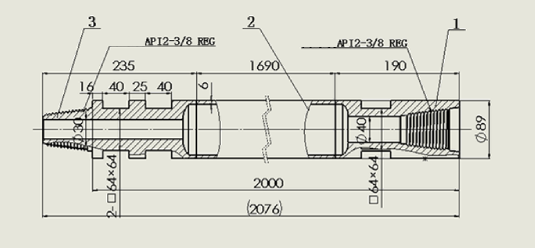
Separate rods with different identities into separate stock lines, even when they look alike. Mark unidentified items as awaiting identification rather than including them in available stock. The same separation is needed for stock awaiting inspection or disposition under the applicable equipment procedures.
Check rod length and weight against handling requirements
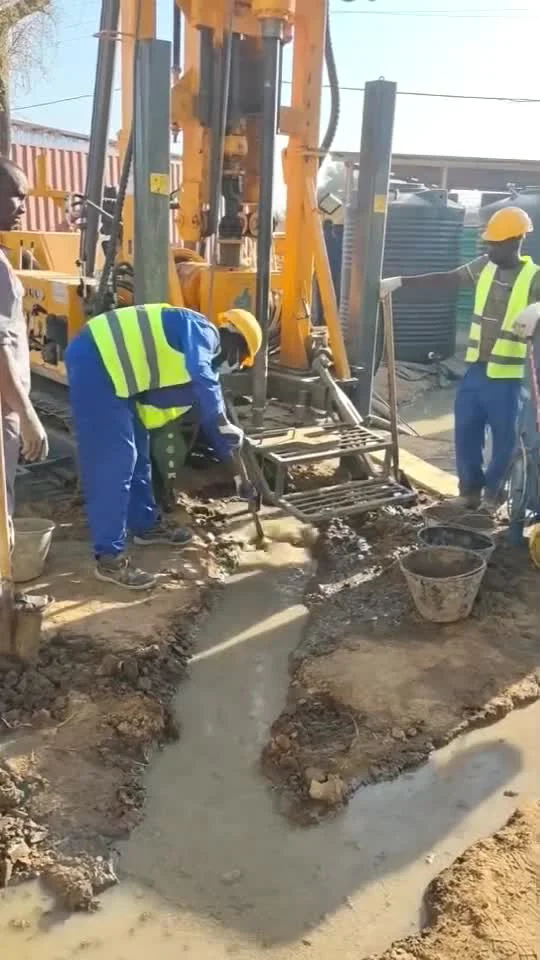
Obtain the length and weight of each offered rod from its specification. Review changes in length and weight against the handling and transport arrangements, as well as the number of pieces required in the string.
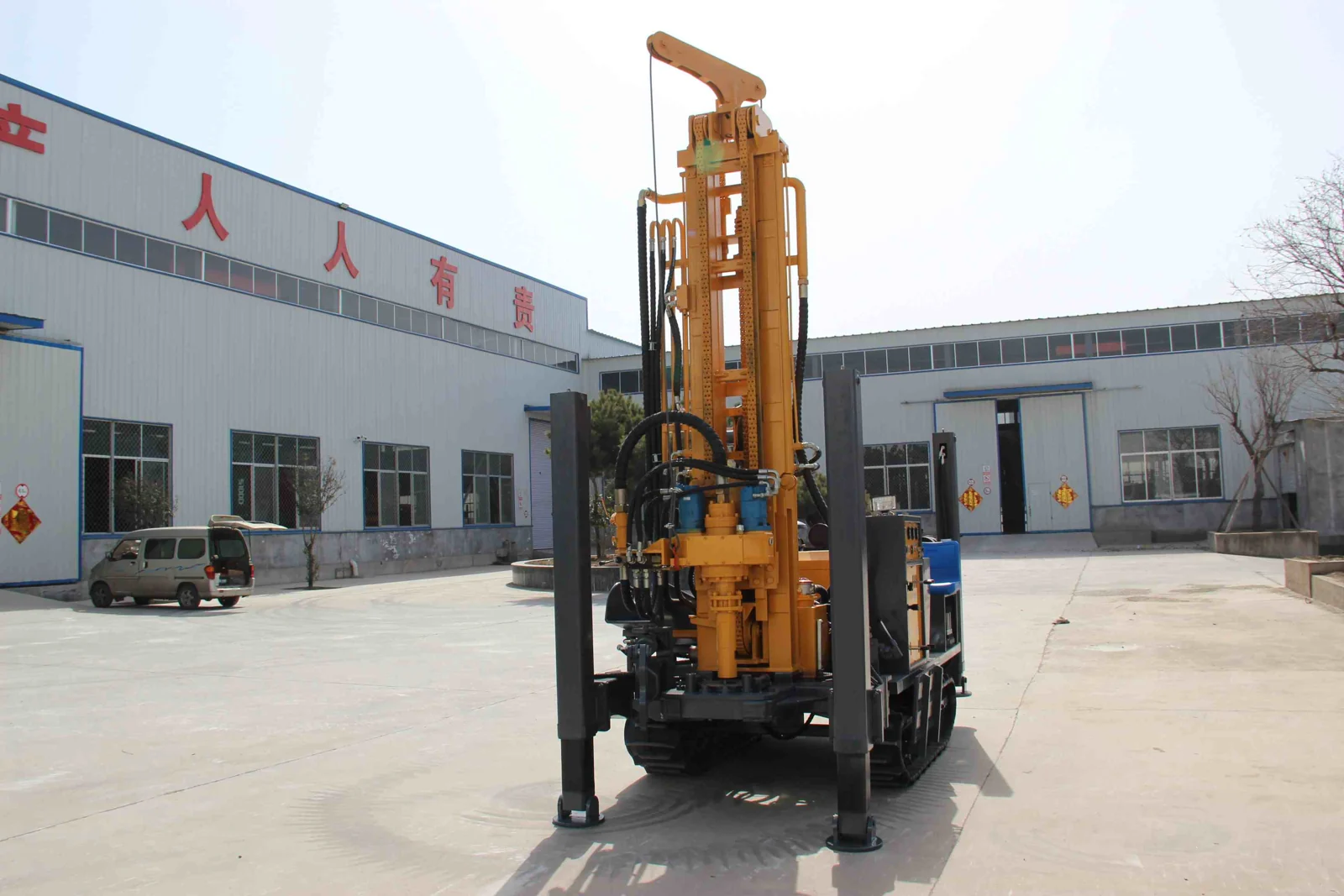
Confirm whether the quoted length is shoulder-to-shoulder, overall or another defined dimension. Use the same basis in the inventory and purchase order. Ask the rig supplier to confirm the applicable rod-handling arrangement, stroke, storage and lifting requirements for the selected rods.
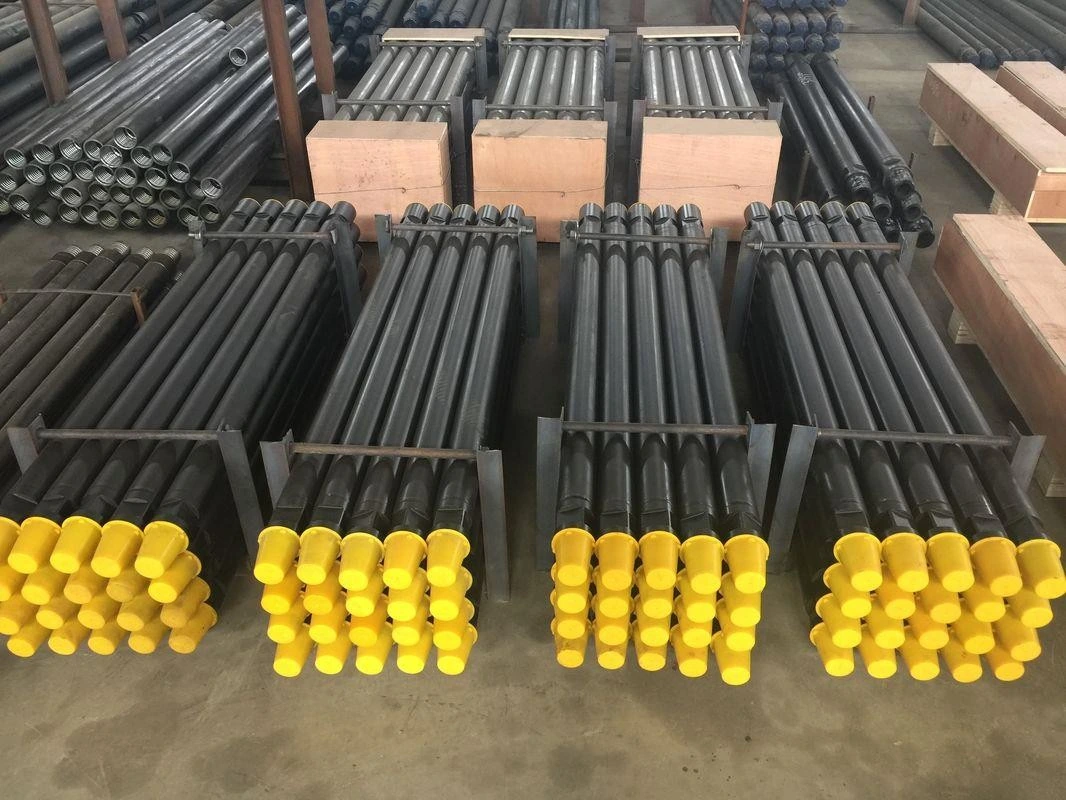
Record transport quantities and weights from the offered product specification rather than scaling an unrelated rod’s weight. Check package dimensions against site access and handling arrangements. A longer rod may reduce connection count but still be incompatible with the rig’s handling setup.
Calculate the stock gap without treating it as a depth rating
A replenishment calculation can be checked directly: order quantity = planned allocation + chosen reserve − available compatible stock − confirmed incoming stock. Use a minimum of zero when the result is negative. Reserve quantity is a purchasing decision, not a universal percentage.
| Planning field | Example quantity |
|---|---|
| Approved job allocation | 40 rods |
| Buyer-selected reserve | 4 rods |
| Inspected, compatible, unallocated stock | 25 rods |
| Confirmed incoming stock before mobilization | 5 rods |
| Calculated purchase requirement | 40 + 4 − 25 − 5 = 14 rods |
Count incoming rods only when their identity, quantity and expected arrival support the actual mobilization plan. Keep stock assigned to another project outside the available figure. Update the calculation when allocations or inspection status change.
Record the stock snapshot date and review date beside the calculation and on the replenishment order. If a pending batch is released, an allocation changes or an incoming delivery is delayed, revise the dated stock position before committing the purchase quantity.
Forty rods of 3 m provide 120 m of nominal rod length, but this arithmetic does not establish a rig’s achievable drilling depth. Hole geometry, tooling, string loading and rig capability require a separate configuration review. Use the water well rig selection guide for that decision.
Write an order line that preserves the approved rod specification
Keep the rod’s outside diameter and defined length as separate order fields. State whether the length is shoulder-to-shoulder, overall or another approved basis, and retain the applicable specification for each rod family.
List the approved part reference, diameter, wall specification, length basis, both connections, quantity and drawing revision. Identify any adapter separately. If an alternative is proposed, require the changed dimensions, connections and applicable limits to be stated before acceptance.
A proposed alternative specification requires a new technical review before the previous shortfall quantity is reused. Do not substitute shorter or longer rods solely because their nominal lengths add to the same total. If the approved rod identity changes, create a separate stock line where needed and recalculate the requirement for that configuration.
Keep the accepted order reference with receipt and inspection records. Do not merge delivered rods into the available count until their identity and status have been established under the owner’s procedures. Link the final rod selection to the hammer configuration and other retained tools. Send dragondrill the rod specification and calculated purchase quantity.
FAQ: replenishing water well drill rods
How many 3 m water well drill rods should I buy for a 120 m string?
The length calculation is 120 ÷ 3 = 40 rods, before accounting for the actual assembly and project reserve. Deduct available compatible stock and confirmed incoming rods from the approved allocation. This calculation is not confirmation that the rig can drill to 120 m.
Can water well drill rods with the same API thread be mixed in one string?
A shared thread designation does not establish complete compatibility. Confirm pipe dimensions, grade, connection geometry, condition and applicable load limits with the responsible supplier. Identify the exact rig and mating tools before approving a mixed assembly.
Should water well drill rods awaiting inspection count as available stock?
No. Keep them separate until their status is resolved under the applicable inspection procedure. Available stock should be identified, compatible, accepted for use and not allocated elsewhere. An inventory total that includes unresolved rods can conceal a purchasing shortfall.