
Choose water well drilling bits by drilling method, nominal diameter, shank or thread, and the mating equipment. Confirm the complete part reference before ordering. For alternatives, compare cutting structure and operating conditions as well as fit; a matching diameter or photograph does not establish interchangeability.
Identify the water well drilling bit family before requesting a quote
DTH button bits, rotary roller-cone bits and rotary PDC bits require different identification records. State the drilling method and tool family explicitly. A photograph of the cutting face cannot replace the tool-family description or confirmation of the intended application.
- For a DTH bit, identify the hammer manufacturer, full model and supported bit shank.
- For a rotary bit, identify the complete bit model, connection and mating rod or sub.
- For a changed drilling method, review the entire tooling and air or fluid package rather than purchasing the bit separately.
Keep the original part number, packaging label and order record together. Record any change to the hammer, drill string or required hole diameter since that purchase. If the method is undecided, use the DTH vs mud rotary comparison before selecting a replacement.
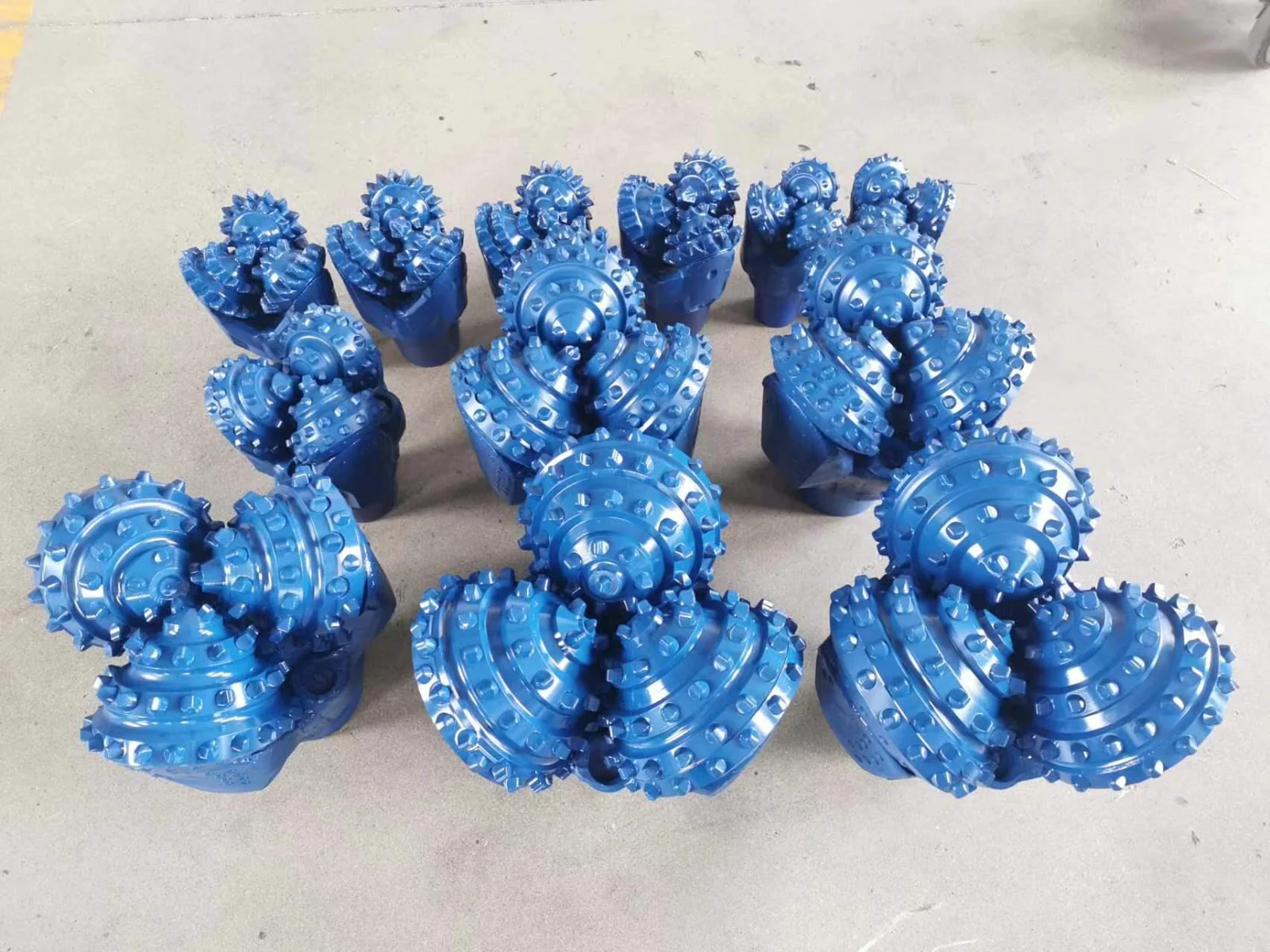
Match the DTH bit shank, not just the head diameter
Record the complete shank designation, such as QL50 or DHD350 when applicable, and the exact mating hammer. Ask the supplier to confirm the shank dimensions, spline geometry and supported bit diameters for that assembly. Diameter alone does not identify the hammer interface.
| Field | Evidence to provide | What the supplier must confirm |
|---|---|---|
| Nominal diameter | Original drawing or part reference | Offered nominal size and tolerance |
| Shank or thread | Full designation and mating equipment identity | Compatibility of the named components |
| Associated parts | Existing assembly reference | Footvalve, drive components or adapter requirements |
| Quantity | Job allocation and stock count | Quantity and packing identification |
Send views of the whole bit, cutting face, shank or connection, and readable markings. Mark dimensions measured from a worn tool separately from nominal dimensions taken from a drawing. Keep any discrepancy visible until the supplier resolves it.
Specify the face design and cutting structure for an alternative
Record the specified DTH face form, such as convex, concave or flat, together with the carbide insert shape and arrangement. Shank compatibility and cutting design are separate purchasing decisions; confirm the proposed design against the actual application.
For a repeat order, request the approved product reference and require substitutions to be identified. For an alternative, provide the original reference, reason for changing, ground records and observed wear. Ask the supplier to state the proposed face, inserts, flushing arrangement and applicable operating guidance.
A formation label such as granite does not establish abrasivity, fracturing or the operating conditions of the previous run. Include those observations where available. Do not convert one bit’s recorded life into a guaranteed service life for another design or project.
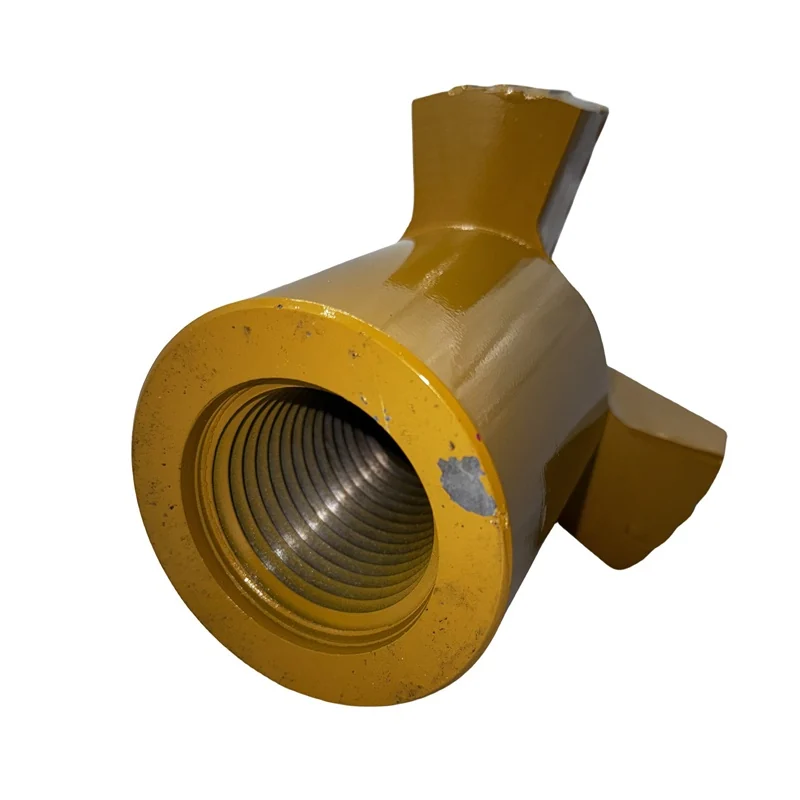
Confirm the hammer-and-bit order as one identified assembly
Confirm whether the exact hammer-and-bit combination requires a footvalve and identify any associated components. A shared spline count does not establish the same valve arrangement or complete shank compatibility.
Record the accepted manufacturer, part number, diameter, shank or thread, quantity and document revision on the order. List adapters and associated components as identifiable items. If the hammer is changing, coordinate the DTH hammer replacement and bit approval rather than approving disconnected quotations.
If an adapter is proposed, name the supplier or responsible technical reviewer who will confirm the resulting bit, adapter and mating-tool assembly. Keep that confirmation with the accepted component references; an identified adapter alone does not approve the complete arrangement.
Compare the quotation, order confirmation and packing information against the same reference. Retain approved differences for the next replenishment purchase. Send dragondrill the bit references, mating equipment and quantities for a replacement quotation.
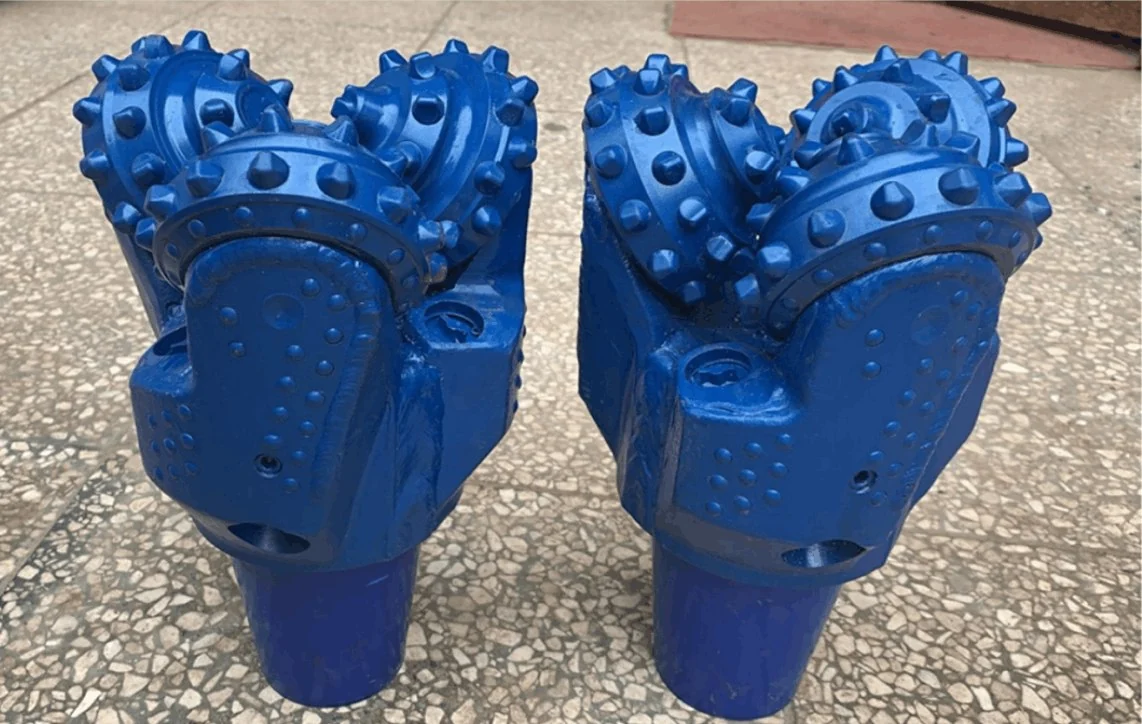
FAQ: ordering replacement water well drilling bits
Can I order water well drilling bits using only a 152 mm diameter?
No. A 152 mm diameter does not identify the shank or connection. Provide the hammer model or rotary mating connection, complete bit reference and cutting configuration. Diameter specifies only one part of the order.
What photographs should I send to identify a DTH water well drilling bit?
Send the complete bit, cutting face, shank or thread, and readable markings. Include the hammer identity and original purchasing reference. Keep measured wear dimensions separate from nominal dimensions. Photographs support identification but do not prove compatibility.
Can I replace a water well drilling bit with another manufacturer’s equivalent?
Request a documented comparison of the exact proposed bit and mating equipment. Confirm diameter, shank or thread, associated components and operating application. Have the supplier identify every substitution before approving the order.