
Wireline vs conventional core drilling differs mainly in sample retrieval: wireline recovers an inner tube through the rods, while conventional coring retrieves the barrel with the drill string. Select the system using hole geometry, sample requirements, handling equipment and measured retrieval costs, not a universal depth threshold.
Wireline vs conventional core drilling: sample retrieval
In a wireline system, a cable-mounted overshot engages the head assembly and retrieves the sample-bearing inner tube independently of the rod string. The head assembly’s latch holds and releases that tube. Confirm the exact retrieval sequence and compatible components for the proposed assembly.
Conventional coring retrieves the barrel by withdrawing the drill string. Wireline avoids that full-string trip for routine inner-tube recovery, but the string still requires withdrawal for tasks such as bit replacement. The Association for Mineral Exploration describes this distinction.
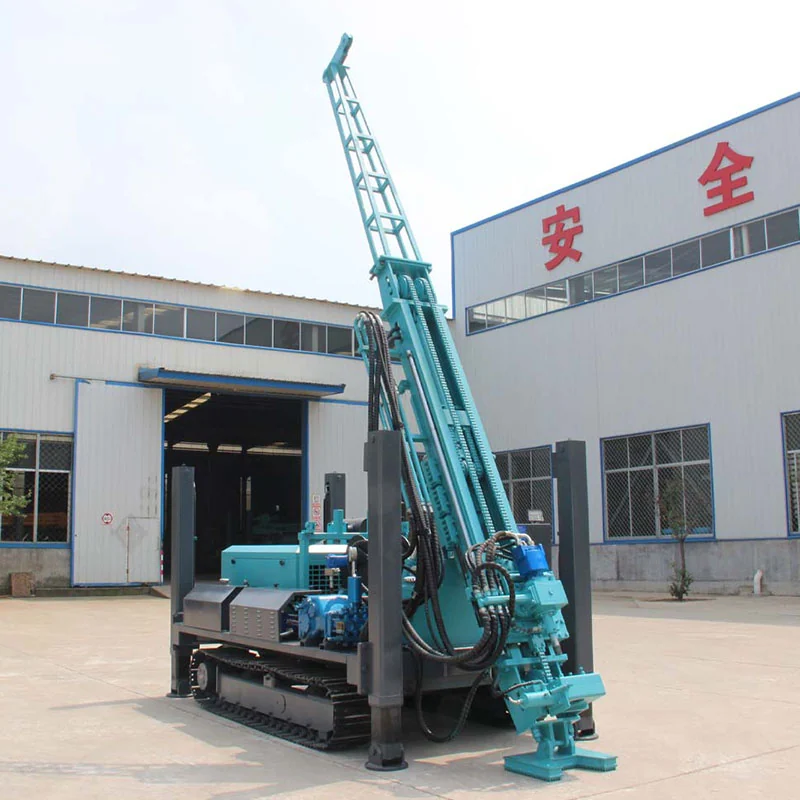
Ask each supplier to describe the actual retrieval sequence and included equipment. The comparison should identify what the crew handles, how the tube is released and where the sample is transferred, not just whether the brochure uses the word wireline.
Keep sample diameter and barrel design separate from retrieval method
Specify the core diameter and bit outside diameter for the exact barrel variant, including distinctions such as NQ and NQ3. Obtain the applicable dimension drawing rather than assuming that a shared nominal size establishes the same sample dimensions.
A matching bit outside diameter therefore does not establish the same sample diameter or internal barrel arrangement. Ask the geologist and laboratory to define the required sample dimensions, handling and allocation before selecting tools.
Specify whether the sample must be oriented and whether a liner or split inner tube is required. Wireline retrieval, double- or triple-tube construction and core orientation are separate decisions. Compare the exact proposed barrel, not a broad label.
Compare retrieval time over the actual hole program
Assess short-hole and geotechnical work using the actual retrieval sequence, sample requirements and available equipment. There is no single depth threshold that selects the appropriate coring system for every project.
Build a cycle estimate using the planned run lengths and hole depths. Separate drilling, inner-tube or string retrieval, sample transfer, redeployment, bit changes and interruptions. Use measured cycle times from comparable work where available.
An arithmetic example: 60 m of coring divided into 3 m runs requires 20 sample-recovery cycles if every run reaches its planned length. Shortened runs increase the count. This is a planning calculation, not a predicted production rate or a claim that a 3 m run suits every formation.
Compare purchase and operating costs using the same sample and hole requirements. State where estimates rely on assumptions instead of giving a fixed percentage saving for all wireline projects.
Specify the handling package, not only the core barrel
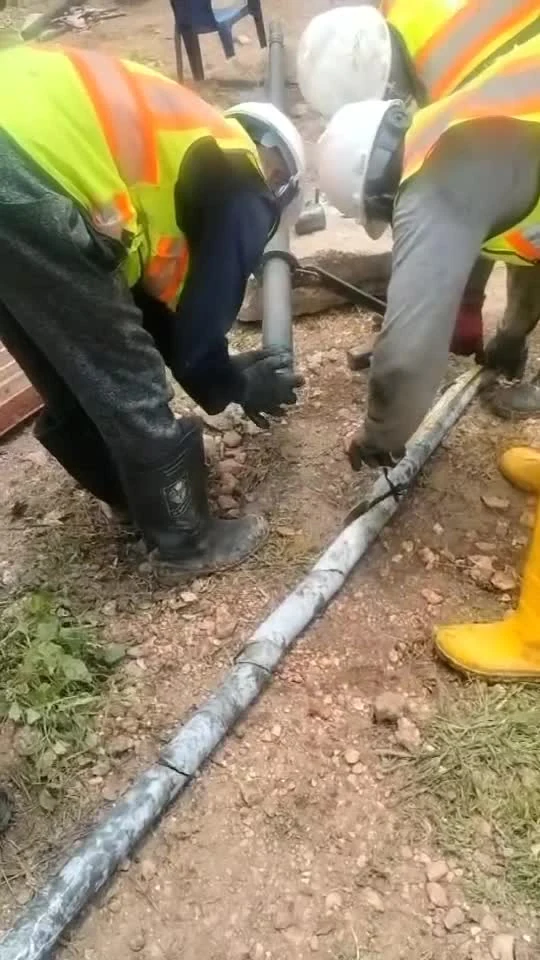
Record the rig’s permitted rod-pull length separately from wireline cable capacity and the retrieval-equipment specification. A rod-handling figure does not establish that the supplied winch, cable, overshot and handling arrangement suit the planned hole.
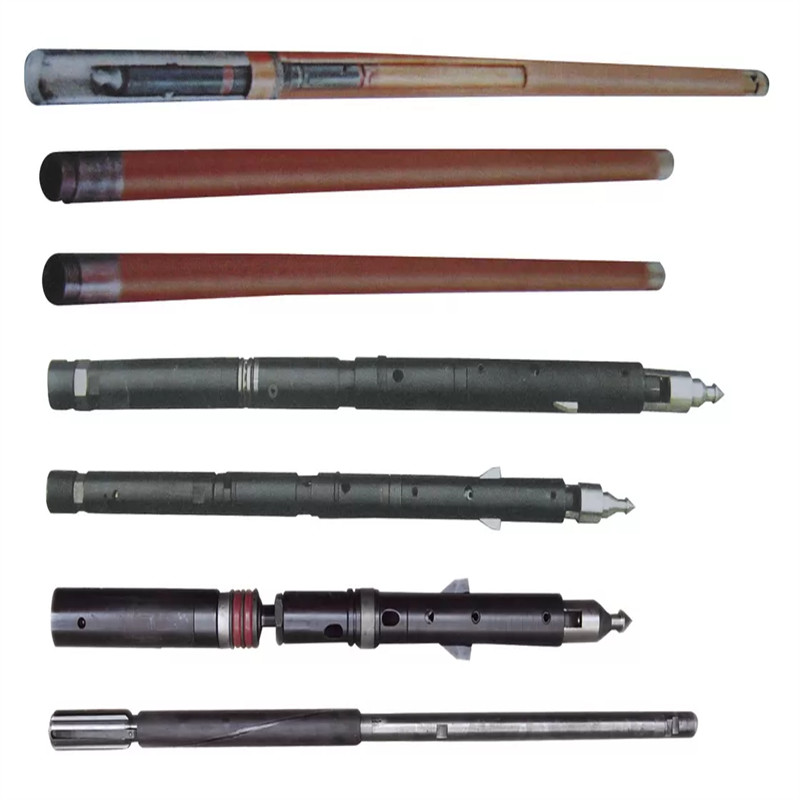
| Package area | Wireline review | Conventional review |
|---|---|---|
| Downhole tools | Identified inner and outer assemblies, latch, overshot, rods and bit. | Identified barrel, rods, connections and bit. |
| Retrieval equipment | Winch, cable, sheaves and tube-handling arrangement for the hole. | String-lifting, clamping and rod-handling arrangement. |
| Sample transfer | Tube opening, extraction or liner-transfer procedure. | Barrel recovery and sample extraction procedure. |
| Replacement stock | Specified retrieval parts, wear parts and matched spares. | Specified barrel, connection and handling spares. |
| Circulation equipment | Required fluid-delivery conditions, connections and equipment interfaces for the proposed assembly. | Required fluid-delivery conditions, connections and equipment interfaces for the proposed assembly. |
Have the supplier check the complete arrangement against hole depth and inclination. Record the applicable manuals and limits. Keep the rig depth-capacity assessment separate from the retrieval-equipment supply list.
- Supply status: mark each required item as supplied, optional, excluded or buyer-provided, including the circulation equipment and its connections.
- Responsibilities: identify who supplies and confirms the external fluid-delivery arrangement and its interfaces with the drilling system.
- Training: agree the training scope separately, including which retrieval and sample-handling procedures it covers and who is responsible for delivery.
Review conversion as a system change
ISO 3551-1:1992 defines leading dimensions for interchangeability within its System A scope. That qualification does not prove that every component bearing a familiar size name will interchange. Read ISO’s equipment scope.
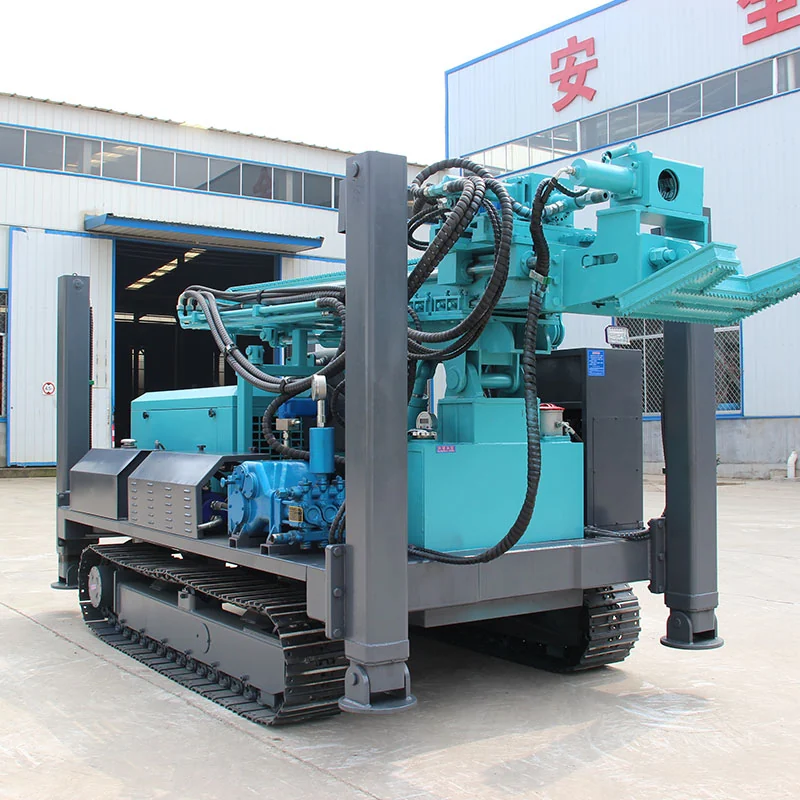
Before changing from conventional to wireline, identify the existing rig, rods, fluid path, barrel, head connections and handling equipment. Ask for a written list of parts that can remain, parts that must change and the technical basis for the decision. Include operating and maintenance instructions for the resulting assembly.
Send the sampling objective, hole schedule and existing-equipment list to request a core-retrieval system proposal. Use the tool compatibility checklist to record interfaces and substitutions.
Frequently asked questions
What is the key difference in wireline vs conventional core drilling?
Wireline retrieves the sample-bearing inner tube through the rods using an overshot and cable. Conventional coring brings the barrel back with the drill string. Compare the complete retrieval sequence, sampling needs and handling equipment for the proposed program.
At what drilling depth does wireline coring become cheaper than conventional coring?
There is no universal crossover depth. Compare actual retrieval cycles, run length, hole geometry, equipment costs, labour and interruptions. Include short-hole and geotechnical requirements in the assessment; the purchase decision remains project-specific.
Does wireline coring automatically provide a larger or more intact core sample?
No. Sample dimensions and condition depend on the exact barrel, tools, ground and operating procedure. Distinguish variants such as NQ and NQ3, and verify their core and bit dimensions separately rather than inferring sample size from the bit outside diameter.
Can an existing conventional core rig be converted to wireline drilling?
Possibly, after reviewing the complete system. Identify rods, barrel interfaces, fluid path, winch, cable, mast and handling equipment. Obtain the required parts list and applicable limits before assuming the conversion is compatible.