
A mineral exploration drilling equipment RFQ should specify the sample objective, hole schedule, drill-string system, ground evidence, site resources and supply responsibilities. Request a configuration with stated assumptions, operating limits and exclusions. Keep geological acceptance criteria and equipment acceptance criteria separate so proposals can be compared on the same basis.
Define the required sample before naming a rig
State what the drilling must provide: core or chips, sample diameter, geological observations, laboratory material, orientation and any geotechnical measurements. Identify who approves the sampling plan and who receives the samples.
Sample size must be explicit. For an NQ or HQ requirement, record the required nominal core diameter and the complete tooling-system designation. Confirm those dimensions against the proposed system’s documentation rather than treating the labels as interchangeable or suitable for every deposit.
Confirm the laboratory’s specimen and sample-allocation requirements before choosing the barrel. Record whether material is needed for assays, duplicate samples, physical tests or an archive. If orientation is required, specify the measurement and data-transfer workflow rather than adding only the word oriented.
Turn the drilling program into a hole-by-hole specification
List target depth, inclination, azimuth, diameter sequence, casing and sample method for each hole or defined hole class. State the angle convention and coordinate system. Separate the deepest hole from the total planned metres.
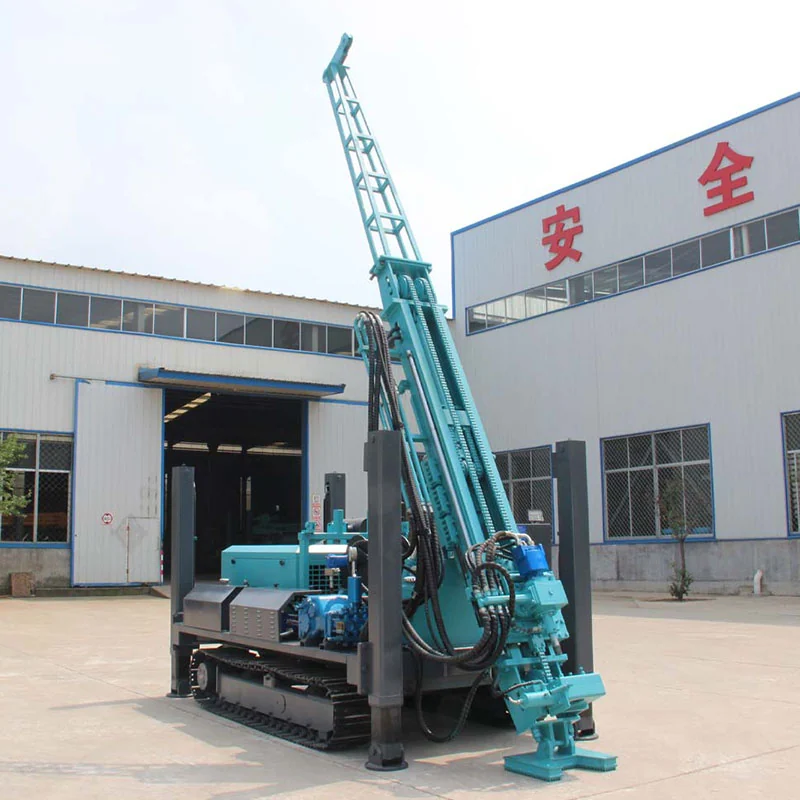
The DR-1000X catalogue, for example, lists 800 m for HTW and 1,000 m for NTW. The named drill string changes the applicable published capacity. See the DR-1000X capacity table. These ratings remain subject to the specified system and project review.
Ask each bidder to identify which proposed configuration addresses each hole class, what changes are needed and what assumptions remain unresolved. A quotation for a single headline depth cannot answer a program with several diameters or orientations. Use the core-rig capacity guide to compare rating conditions.
Provide ground evidence and define how recovery will be recorded
Attach relevant logs, sections and previous drilling observations with their location, date and depth reference. Identify expected weathering, fractures, fluid loss, instability and groundwater conditions. Distinguish observed conditions from interpretations and unknown intervals.
Table 1 of the JORC Code, 2012 Edition, addresses drilling technique, sample-recovery assessment and potential recovery-related bias. It is a public-reporting framework, not a certificate for a drilling rig. Read Table 1, Section 1.
Use the project’s geological requirements to define the recovery record, sampling intervals, handling procedure and response to missing or damaged samples. Ask the supplier how the proposed tools support that procedure. Do not request a universal recovery percentage without a defined material, method and measurement basis.
Include the site layout, utilities and transport constraints
Record road access, allowable loads, work-pad dimensions, site elevation, temperature range, water, power, fuel and available lifting equipment. Include transport of rods, fluids, samples and consumables, not only the drill.
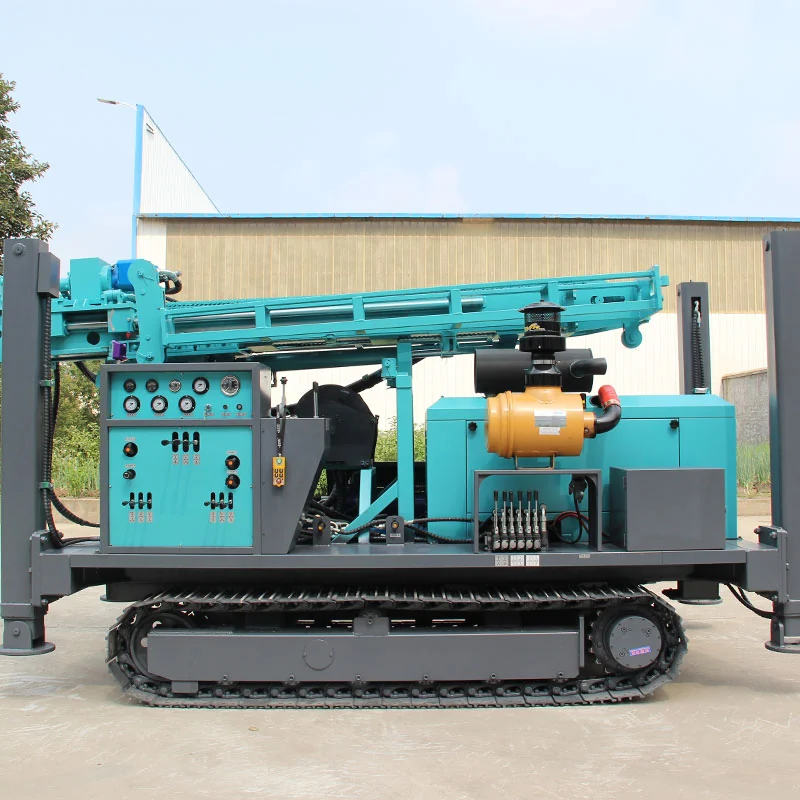
Mounting is a configuration choice. Specify whether truck, crawler or another mounting arrangement is required and ask the supplier to confirm the proposed configuration. The selected mounting still needs its own transport and setup review.
Ask for both transport and deployed-layout drawings and a list of site resources the buyer must supply. Identify any handling or utilities provided by another contractor. For electrical equipment, specify the available supply rather than allowing the bidder to assume it.
If the inquiry concerns reverse-circulation sampling or underground work, identify that requirement explicitly and request confirmation of suitable equipment availability. The listed core-rig range does not establish that dragondrill supplies every exploration method or underground configuration.
Request a response matrix covering equipment, samples and records
JORC Table 1 also distinguishes logging, sample preparation and data verification. These are separate responsibilities from selling a rig or supplying drill tools. See the sampling and data criteria.
| RFQ field | Buyer input | Supplier response requested |
|---|---|---|
| Sample objective | Sample type, dimensions, orientation and laboratory needs. | Proposed tooling and any limits or exclusions. |
| Hole schedule | Depth, diameter, inclination and casing by hole class. | Applicable rig/string configuration and assumptions. |
| Ground evidence | Logs, water, instability and unknown intervals. | Method, circulation and support-system proposal. |
| Site resources | Access, work area, utilities and existing equipment. | Transport, layout and buyer-supplied requirements. |
| Supply scope | Rig, tools, consumables, spares and service expectations. | Itemized quantities, interfaces and exclusions. |
| Acceptance and records | Inspection points, documents and sample-data responsibilities. | Proposed checks, supplied records and responsible parties. |
- Approved: identify the requirement accepted by the responsible project team.
- Provisional: state the proposed choice and the decision still needed before it becomes a purchasing requirement.
- Unknown: record the missing information rather than inserting an assumed value.
Assign a next decision owner to each provisional or unknown item and identify the evidence needed to close it. Keep the supplier’s assumptions visible until the responsible team has reviewed them.
Require deviations to be stated against the relevant field. Link revised offers to a dated RFQ revision so changes in scope remain visible. Compare technical responses before reconciling prices.
Send your sampling brief, hole schedule and site information to submit a mineral exploration drilling equipment RFQ. Include any tools to retain so the core-tool compatibility review addresses the actual assembly.
Frequently asked questions
What information should a mineral exploration drilling equipment RFQ include?
Include the sample objective, hole schedule, rod and barrel system, geological evidence, site constraints, resources and itemized supply scope. State acceptance requirements, records, responsibilities and the equipment already owned. Ask suppliers to identify assumptions and deviations.
Should I specify the core diameter before requesting an exploration rig quote?
Yes, once the geological and laboratory requirements are defined. For designations such as NQ and HQ, confirm the nominal core diameter in the proposed tooling-system documentation. Specify the actual required sample and full tooling system, not the designation alone.
Does a JORC reporting requirement identify which exploration rig to buy?
No. The JORC Code addresses public reporting of exploration results, resources and reserves. Its criteria help identify the data that may be needed, but do not certify a rig, choose a model or replace the project’s sampling and engineering reviews.
How do I compare mineral exploration rig quotations with different assumptions?
Ask each bidder to respond to the same dated RFQ fields and list departures explicitly. Reconcile sample size, depth by string, site provisions, quantities and responsibilities before comparing price. Keep unresolved technical conditions visible in the revised quotation.